This sauce for baby back ribs recipe makes a large, tangy mustard-forward batch: yellow mustard and cider vinegar lead, with ketchup, brown sugar, garlic, and a little cayenne. Simmer it to a spreadable consistency and apply thin coats to nearly tender ribs.
About 3 cups · 5 minutes prep · 10–20 minutes simmering
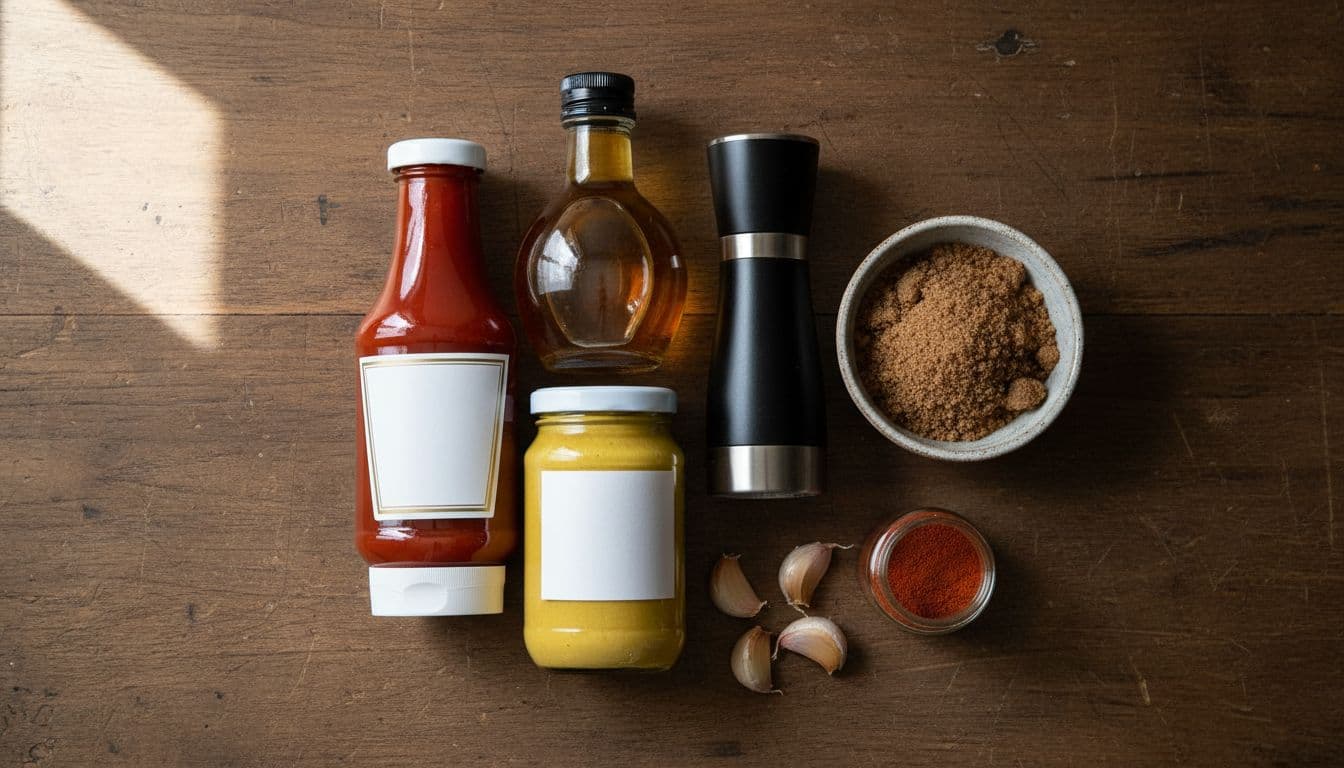
Ingredients for the mustard-forward batch
| Ingredient | Amount |
|---|---|
| Yellow mustard | 1 cup |
| Apple cider vinegar | 1 cup |
| Ketchup | ⅔ cup |
| Packed brown sugar | 1 cup |
| Garlic, minced | 3 cloves |
| Black pepper | ½ teaspoon |
| Cayenne | ¼ teaspoon, then adjust |
| Skimmed juices from fully cooked ribs, optional | Start with 2 tablespoons |
Expect roughly 3 cups after simmering, depending on reduction. This is more than one rack generally needs. Measure a small portion into the basting bowl and keep the rest clean for serving or storage.
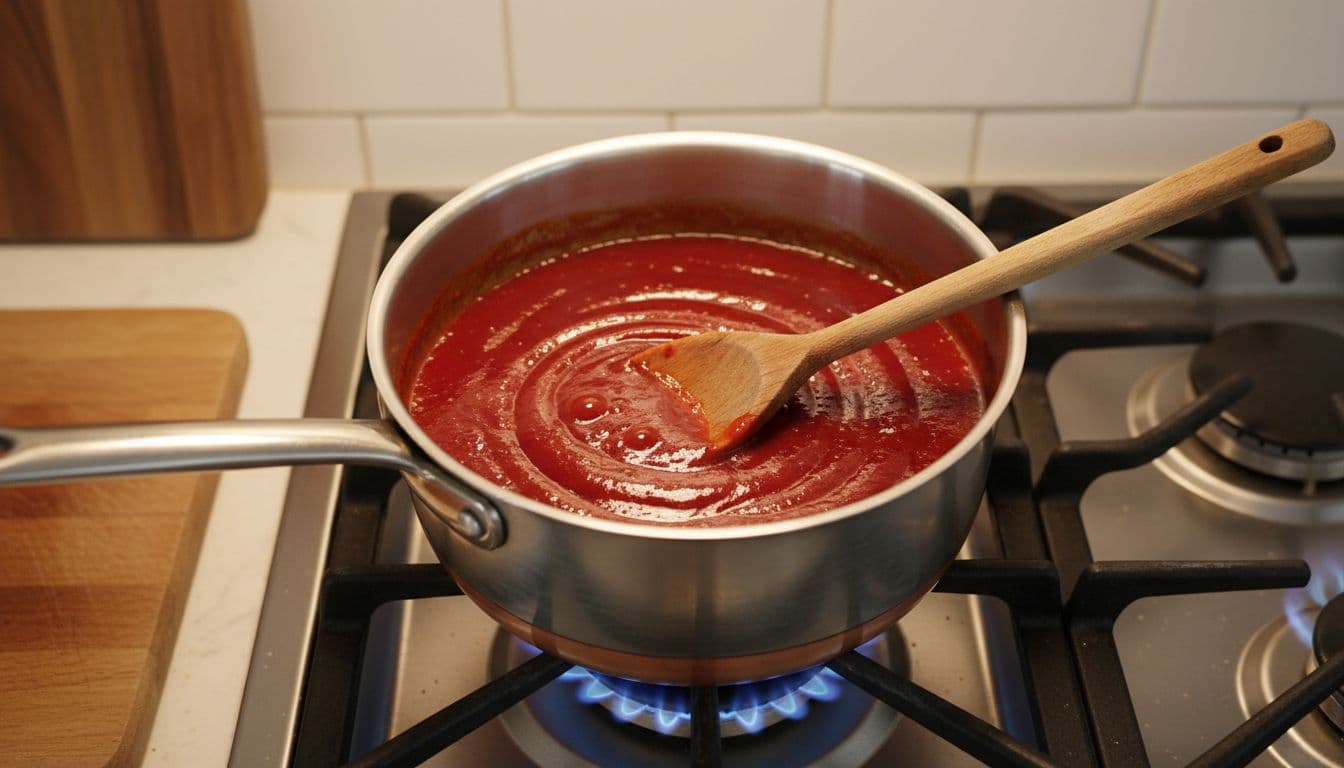
Simmer to a brushable consistency
- Whisk mustard, vinegar, ketchup, brown sugar, garlic, black pepper, and cayenne in a saucepan.
- Bring to a gentle boil, then reduce the heat and simmer uncovered for 10–20 minutes, stirring frequently.
- If using juices from fully cooked ribs, skim off excess fat and add 2 tablespoons during the simmer. Taste before adding more; heavily seasoned drippings can make the sauce salty.
- Cool a small sample on a saucer. It should spread in a thin film rather than run off immediately or drag into a paste.
- If too thick, whisk in warm water 1 tablespoon at a time. If too loose, simmer briefly and check again. Stop while slightly looser than the final texture because it thickens as it cools.
Taste the sauce with a bite of pork
| Adjustment | Try this first |
|---|---|
| Too sharp | Add a teaspoon of brown sugar to a small sample, then scale the change only if you like it. |
| Too sweet | Add cider vinegar a few drops at a time to a small sample. |
| Too spicy | Dilute a portion with more of the unseasoned mustard-ketchup base. |
| More smoky heat | Start with ½ teaspoon minced chipotle in adobo in the full batch. |
Dijon or brown mustard will change the flavor; honey mustard adds sweetness. Reduced-sugar ketchup and sweetener replacements also change browning and thickness, so do not expect identical results from a one-for-one swap.
If you prefer a tomato-led blend, use our homemade baby back and spare rib sauce. For a much sweeter molasses finish, choose sweet sauce for ribs.
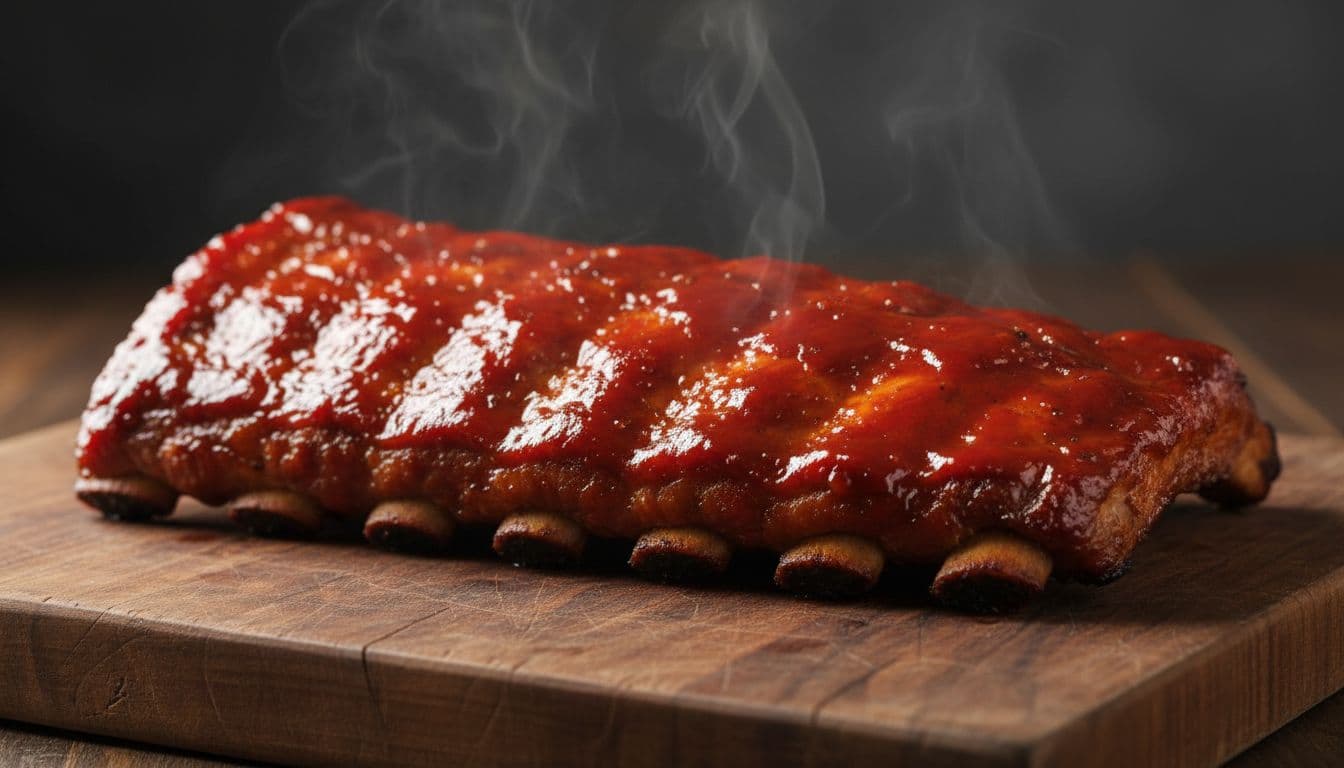
Glaze the ribs after checking doneness
Cook the ribs separately. Whole pork needs 145°F followed by a 3-minute rest, and barbecue ribs usually need more time to soften. Use the baby back ribs temperature guide and rib doneness checks before applying the final glaze. FoodSafety.gov’s temperature chart provides the safety minimum.
- Reserve clean table sauce before using a brush.
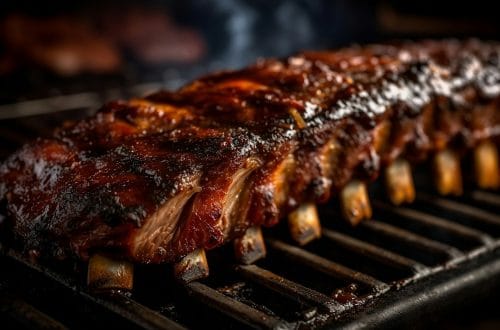
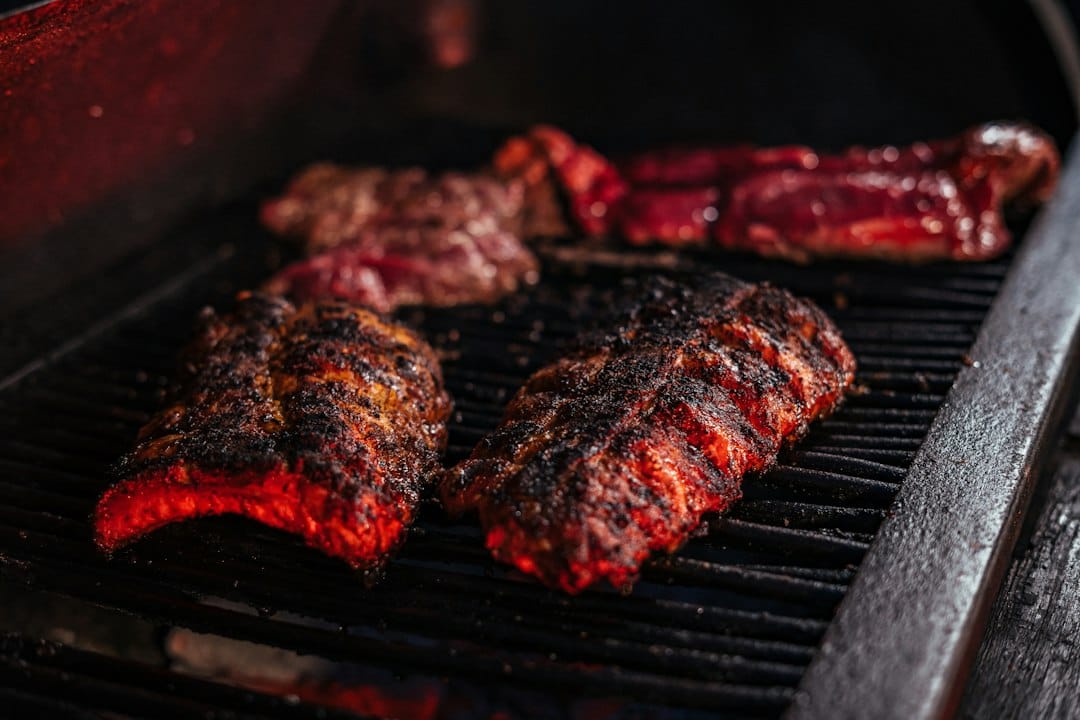
- Brush a light coat on the meat side of the nearly tender rack. Let it become tacky before adding another thin coat.
- On a grill, use indirect or moderate heat and watch the thin edges. Shift away from flare-ups immediately.
- For a broiler finish, use a broiler-safe pan and the appliance’s rack-position guidance. Watch from the start and remove the rack as soon as the glaze sets, before it blackens or smokes. Do not use parchment.
- Offer clean sauce at the table. A used basting bowl is not a source for a final drizzle.
Make ahead and store the extra sauce
Refrigerate untouched sauce in a shallow covered container within 2 hours, or 1 hour above 90°F. Keep it at 40°F or below and use within 3–4 days. Freeze small portions for longer storage and thaw in the refrigerator. Keep the serving portion separate from the basting bowl; never return used sauce or a used brush to the clean batch.
For reheating, USDA recommends bringing sauces to a rolling boil. Stir frequently and add a little water if needed to prevent scorching. These are refrigerated recipes, not tested canning formulas; sweetness or vinegar does not make them shelf stable.
Refrigerate leftover ribs separately and reheat to 165°F. A covered dish with a splash of water in a 325°F oven helps limit drying. Slaw, pickles, corn salad, and vegetables provide a crisp contrast to the sweet-tangy glaze.