Tuna couscous with frozen peas is a warm, 25-minute pantry dinner. You cook the frozen peas in boiling water, use some of that hot water to hydrate quick-cooking couscous off the heat, then fold in canned tuna, lemon zest and juice, fresh dill, scallions, and a little olive oil. The result is light and fluffy, with sweet peas, visible flakes of tuna, and a bright lemon-herb finish, and it uses just one saucepan.
25 minutes
Start to finish
3 to 4 servings
3 big bowls or 4 lighter ones
1 saucepan
Plus a strainer and jug
Affiliate disclosure: As an Amazon Associate I earn from qualifying purchases. The paid links below open Amazon search results so you can compare suitable tools.
Why tuna couscous with frozen peas works
Couscous cooks by absorption. Ordinary couscous is tiny pre-steamed semolina pasta. It only needs to soak up boiling liquid, so it is ready after a 5-minute covered rest off the heat. No simmering, no draining, and very little chance of scorching.
The peas get proper cooking. Frozen peas cook first in actively boiling water according to their package directions. A covered rest off the heat is designed to hydrate pasta, not to cook frozen vegetables, so separating the steps removes the guesswork. Reusing the hot pea water for the couscous saves time and adds a little sweetness.
Gentle assembly keeps texture. Fluffing the couscous with a fork and folding in the tuna last keeps the grains separate and the fish in recognizable flakes, rather than a pasty mix.
Lemon and dill do the seasoning. Zest adds citrus aroma without extra liquid, juice adds tartness, and dill pairs naturally with both fish and peas. There is no sauce to make.
Ingredients and equipment
Couscous: Use ordinary quick-cooking couscous, sometimes labeled Moroccan-style. Pearl (Israeli) couscous is a different product with large balls that must be simmered. If the package says to boil for 10 minutes or more, it is not the right type for this method.
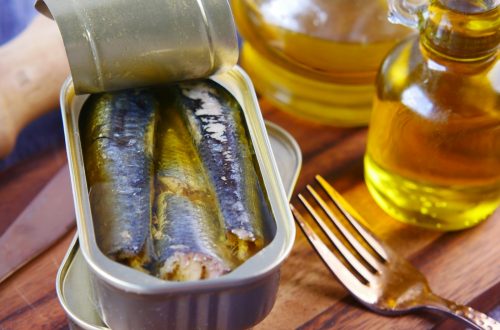
Tuna: Two 5-ounce cans. Solid or chunk tuna in water gives a mild, clean bowl; tuna in olive oil is richer. Drain either type well. Pouches vary in weight, so check the label and adjust.
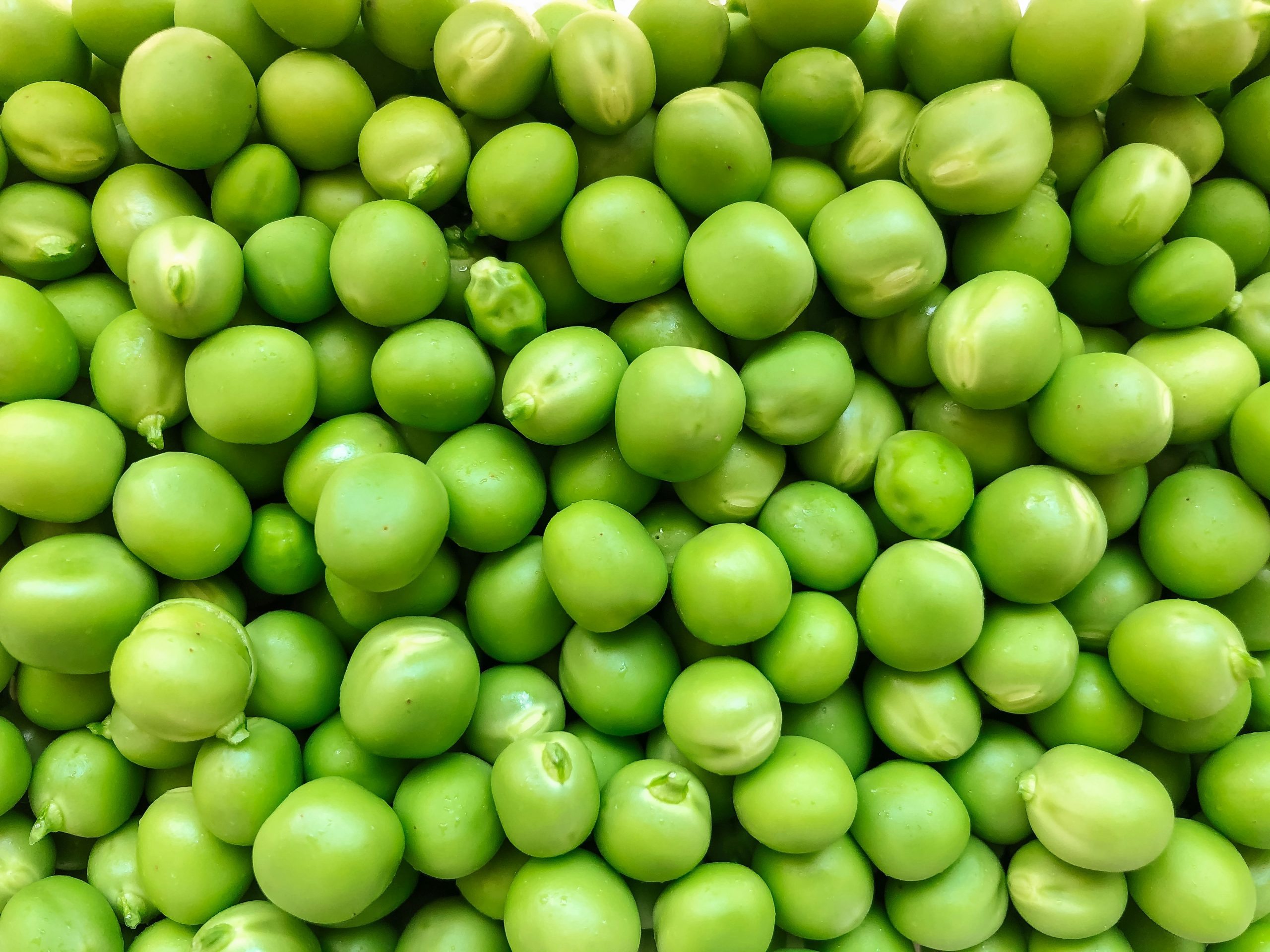
Frozen peas: Plain green peas, no sauce. Petite peas are especially tender.
Lemon, herbs, and extras: One lemon gives enough zest and juice. Wash and dry it before zesting, and remove only the yellow surface; the white pith is bitter. A fine lemon zester (paid link) makes this easy. Fresh dill is the classic choice; parsley is milder. Scallions give a crisp onion note without cooking. Capers are optional for a salty, tangy accent.
Equipment: A medium saucepan with a tight lid (paid link) is essential for the off-heat rest. A heatproof measuring jug (paid link) set under the strainer catches and measures the hot pea water. For leftovers, shallow airtight containers (paid link) help the food cool quickly.
How to make tuna couscous with frozen peas
Measurements are in the printable recipe card below.
Step 1: Cook the peas. Bring 3 cups of water to a boil in the saucepan. Add the frozen peas, return to a boil, and cook according to the package directions until fully cooked and tender. Set the strainer over the heatproof jug and drain carefully; the steam is very hot.
Step 2: Measure the hot liquid. Measure 1 1/2 cups of the pea water. If evaporation left you short, top it up with hot water. Pour it back into the saucepan with 1 tablespoon olive oil and the salt and bring it back to a full boil.
Step 3: Hydrate the couscous. Stir in the couscous once, cover tightly, and take the pan off the heat immediately. Leave it alone for 5 minutes; lifting the lid lets steam escape. Most ordinary couscous uses equal volumes of liquid and grain, but if your package gives a different ratio, follow the package.
Step 4: Mix the lemon-herb dressing. While the couscous rests, stir together the remaining tablespoon of olive oil, lemon zest, lemon juice, dill, scallions, pepper, and capers if using. Drain the tuna and break it into bite-size flakes, leaving some larger pieces.
Step 5: Fluff and fold. Uncover and rake through the couscous with a fork, working from the edges toward the center and lifting rather than pressing. Fold in the peas and dressing, then add the tuna and fold just until it is distributed. For a hotter bowl, warm briefly over low heat, stirring gently.
Step 6: Taste and serve. Taste a full spoonful after everything is mixed, since tuna and capers vary in salt. Add a pinch of salt or a squeeze of lemon if needed. The grains should be separate with a light sheen and no pooled liquid.
Tip: fix the texture before adding tuna. If a patch of couscous is still firm, sprinkle a tablespoon of boiling water over it, cover for 2 minutes, and check again. If it is wet, spread it in a wide bowl and lift it with a fork so steam can escape. Measuring the liquid accurately prevents both problems.
Choosing the right couscous for tuna couscous with frozen peas
| Grain | Works with this method? | What to do |
|---|---|---|
| Ordinary (Moroccan-style) couscous | Yes | Boiling liquid, cover, 5-minute rest off heat |
| Whole-wheat couscous | Yes, usually | Check the package; it may need slightly more liquid or time |
| Pearl (Israeli) couscous | No | Simmer separately per the package, then fold in peas and tuna |
| Quinoa | No | Cook separately (about 15 minutes simmering) for a gluten-free bowl |
| Rice | No | Cook separately; do not substitute raw rice in the 5-minute rest |
Troubleshooting
- Hard or crunchy grains: Too little liquid, or the liquid was not at a full boil. Add a tablespoon of boiling water and rest covered 2 minutes.
- Soggy or clumpy couscous: Too much liquid or stirring during the rest. Spread it out and fluff with a fork.
- Tastes flat: Check salt first, then add a teaspoon more lemon juice. Taste a combined spoonful, not plain couscous from the edge.
- Tastes too sharp: Fold in a drizzle of olive oil. Avoid increasing lemon, capers, and salt all at once.
- Tuna disappeared: It was stirred too much. Add it last and fold with a broad spoon; a crisp side like cucumber adds texture now.
- Bitter lemon flavor: White pith was zested. Zest only the yellow surface next time.
Variations and swaps
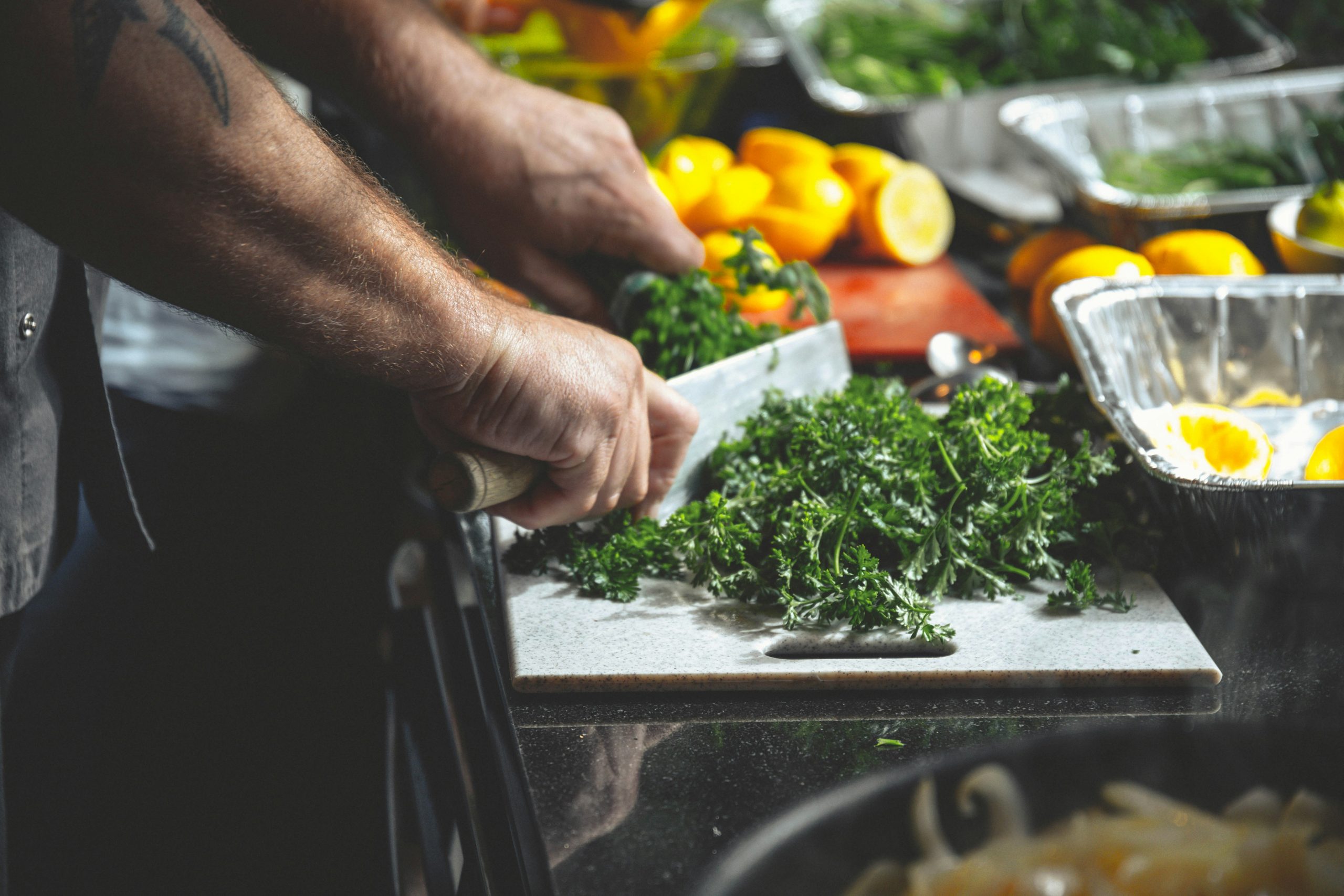
Herbs: Parsley is milder than dill; mint adds freshness with peas. If using dried dill, use about 2 teaspoons and let it soak in the lemon dressing for a few minutes.
Milder onion: Use only the green scallion tops, or add the sliced scallions to the peas for their last minute of cooking and drain them together.
Other proteins: Canned salmon works after draining and removing skin or larger bones. Leftover cooked chicken should be reheated to 165°F before folding in; do not rely on the warmth of the couscous to heat cold meat safely.
Other vegetables: Frozen peas and carrots can be cooked the same way per their package. Corn is sweeter; try half corn, half peas. Tender fresh greens such as baby spinach or arugula can be folded into the warm couscous to wilt. Frozen spinach should be thawed and cooked according to its package first.
Gluten-free: Couscous is wheat pasta. Cook quinoa or rice separately and use the tuna, peas, and dressing as a topping.
Extras: Crumbled feta, halved cherry tomatoes, chopped cucumber, or a few sliced olives all fit the flavor profile. Add salty extras sparingly and taste first.
Serving ideas
Serve warm in shallow bowls with a tomato-cucumber salad, roasted carrots, or sliced bell peppers for crunch. For bigger appetites, add bread or fruit on the side. It also works as a room-temperature or chilled lunch salad after safe refrigeration. For more canned tuna ideas, try the stovetop tuna noodle casserole for something creamier, or the tuna and white bean pita lunch for a handheld meal.
Printable tuna couscous with frozen peas recipe
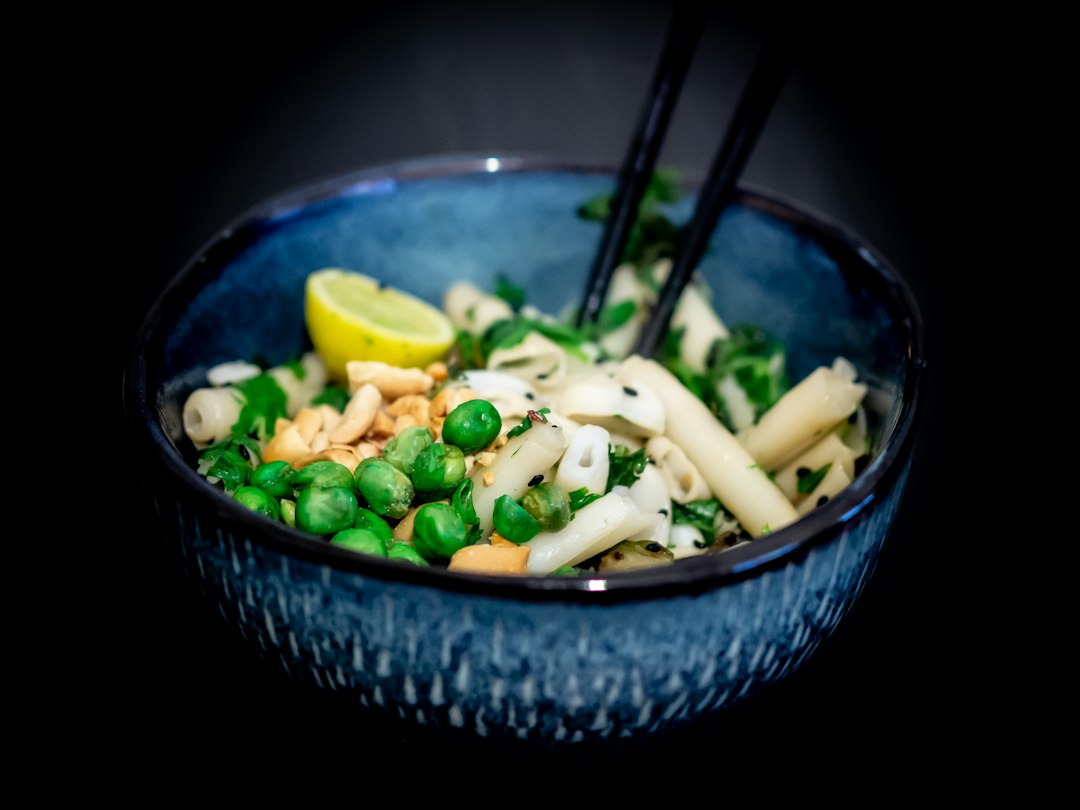
Tuna Couscous with Frozen Peas, Lemon, and Dill
Ingredients
Equipment
Method
- Cook the frozen peas. Bring the 3 cups water to a boil in the saucepan. Add the peas, return to the boil, and cook according to the package instructions until fully cooked. Set a strainer over a heatproof jug and drain, taking care with the steam.
- Measure the liquid. Measure 1 1/2 cups of the hot pea cooking water, topping up with fresh hot water if needed. Return it to the saucepan with 1 tablespoon olive oil and the salt, and bring back to a boil.
- Hydrate the couscous. Stir in the dry couscous, cover, and immediately remove the pan from the heat. Let stand 5 minutes without lifting the lid. If your package gives a different liquid ratio, follow the package.
- Prepare the flavoring. Combine the remaining tablespoon oil, lemon zest, lemon juice, herbs, scallions, pepper, and optional capers in a small bowl. Drain the tuna and break it into large flakes.
- Fluff and combine. Rake through the couscous with a fork to separate the grains. Fold in the cooked peas and lemon mixture, then the tuna, stirring only until distributed. Warm briefly over low heat if you want it hotter.
- Taste and serve. Taste after the tuna and capers are mixed in, add a pinch of salt only if needed, and serve warm. The grains should be separate with a light sheen and no standing liquid.
Notes
Storage and reheating
Spread leftovers in shallow containers and refrigerate within 2 hours of cooking, or within 1 hour if it is above 90°F. Keep the refrigerator at 40°F or below and eat within 3 to 4 days.
To reheat, sprinkle a tablespoon of water over a portion, cover, and microwave, pausing to stir, until it reaches 165°F throughout. To eat it cold as a packed lunch, keep it in an insulated bag with ice packs until you eat. If you plan to serve it chilled, hold back a little lemon juice and herbs to stir in just before eating, because the couscous keeps absorbing moisture and flavor.
Food-safety reminder: Refrigerate within 2 hours (1 hour above 90°F), use within 3 to 4 days, and reheat to 165°F. Do not use tuna from cans that are bulging, leaking, or badly dented. See the USDA guide to leftovers and food safety for details.
Doubling tip: Use a larger saucepan and a wide bowl for combining so you can fold without crushing the tuna. The 5-minute rest stays the same, but bringing more water to a boil takes longer.
Frequently asked questions
Does canned tuna need to be cooked?
No. Commercially canned tuna is cooked during processing and ready to eat from a sound can. This recipe only warms it for flavor and texture.
Can I use pearl couscous?
Only if you cook it separately according to its package, since it needs simmering and a different amount of water. Then fold in the cooked peas, tuna, and dressing. Total time will be longer.
Why cook the peas separately?
Frozen vegetable directions call for active cooking. The couscous rest happens off the heat and cannot reliably cook frozen peas, so boiling them first ensures they are hot and tender.
Can I leave out the capers?
Yes, they are optional. A little finely chopped pickle gives a similar tang. Taste before adding extra salt either way.
Can I eat tuna couscous cold?
Yes. After it has been refrigerated promptly, it makes a good cold lunch salad. Freshen it with a squeeze of lemon and more herbs, and keep it cold until eating.
Can I use broth instead of the pea water?
Yes. Hot chicken or vegetable broth adds more savory flavor. Reduce or skip the added salt if the broth is salted, and taste at the end.
Final thoughts on tuna couscous with frozen peas
Tuna couscous with frozen peas proves a pantry dinner can be fresh and bright. Cook the peas properly, measure the hot water for the couscous, leave the lid on during the rest, and fold everything together gently with plenty of lemon and dill. In about 25 minutes you will have a light, satisfying bowl, plus leftovers that work just as well for lunch.