
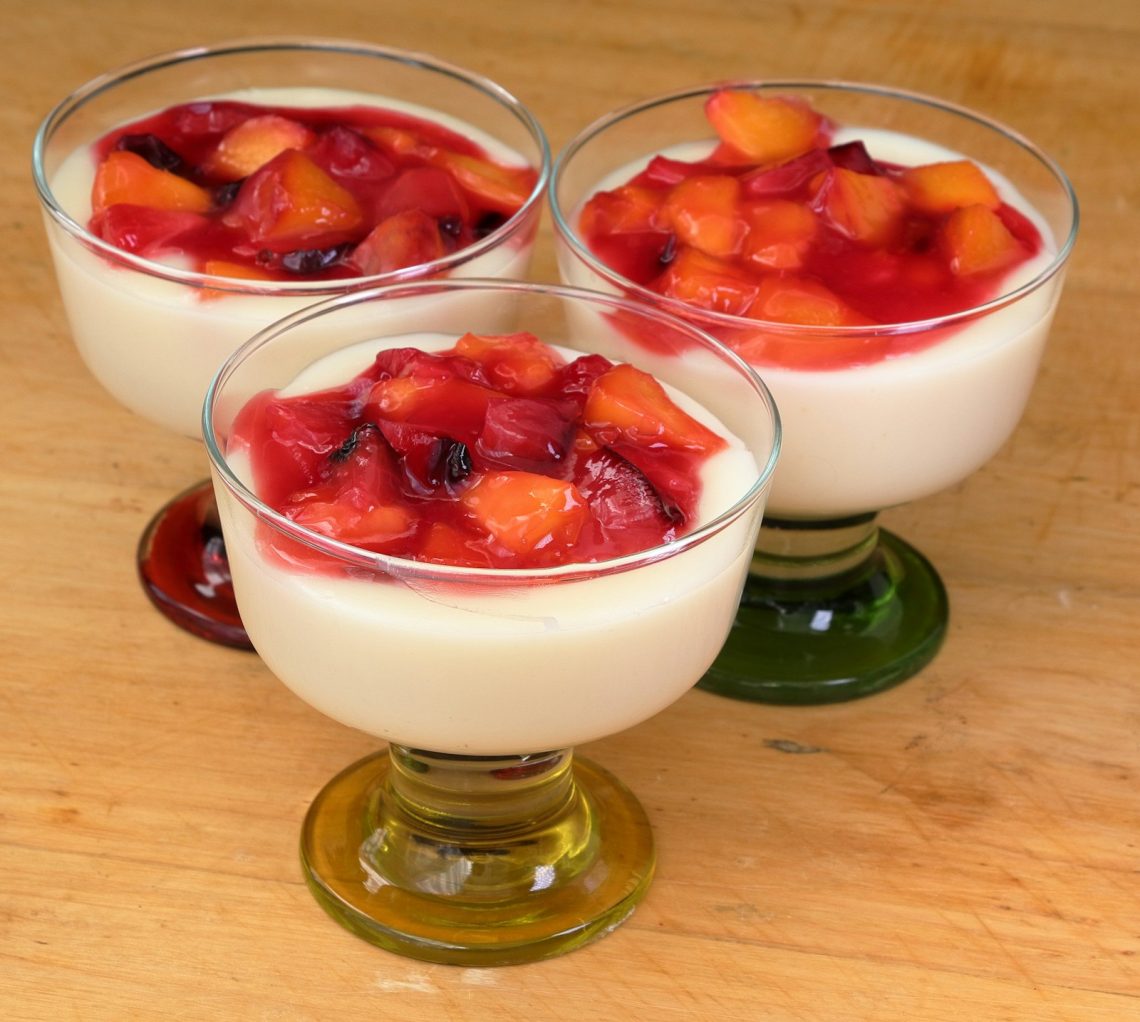
Baked sweet potato breakfast custard cups combine smooth cooked sweet potato with milk, eggs, maple syrup, and warm spice. They are softly set rather than fluffy, with a texture closer to a gentle custard than a muffin. Individual ramekins make the portions easy to serve warm or refrigerate for another morning.
This recipe makes four 6-ounce cups and starts with cooked, mashed sweet potato. If you need to cook the potato first, allow extra time and let the mash cool before mixing. A water bath helps the custard bake evenly so the edges do not become firm while the middle is still liquid.
Affiliate disclosure: As an Amazon Associate I earn from qualifying purchases. Tool links are marked as paid links.
Start with smooth, measured sweet potato

Bake or steam a sweet potato until completely tender, remove the skin, and mash the flesh thoroughly. Weigh 250 grams after cooking and peeling. A fibrous or lumpy mash leaves the same texture in the finished custard, so push it through a sieve or blend briefly if needed.
Do not use sweet potato pie filling from a can, which already contains sugar and spices. Plain canned sweet potato can work if drained and mashed, but check the ingredient list. Excess water from boiling or canning can loosen the custard. Let the mash cool until it is no longer steaming before adding eggs.
Make-ahead tip: Roast or microwave the sweet potato the night before, mash it, and refrigerate it in a covered container. Bring it back to cool room temperature before whisking in the eggs so the custard mixes evenly.
Keep the custard simple
Two eggs and one cup of milk are enough to set the sweet potato into a soft spoonable dessert-style breakfast. Maple syrup adds sweetness without requiring a heavy sugar layer. Cinnamon and vanilla support the sweet potato, while a small pinch of salt keeps the flavor from tasting flat.
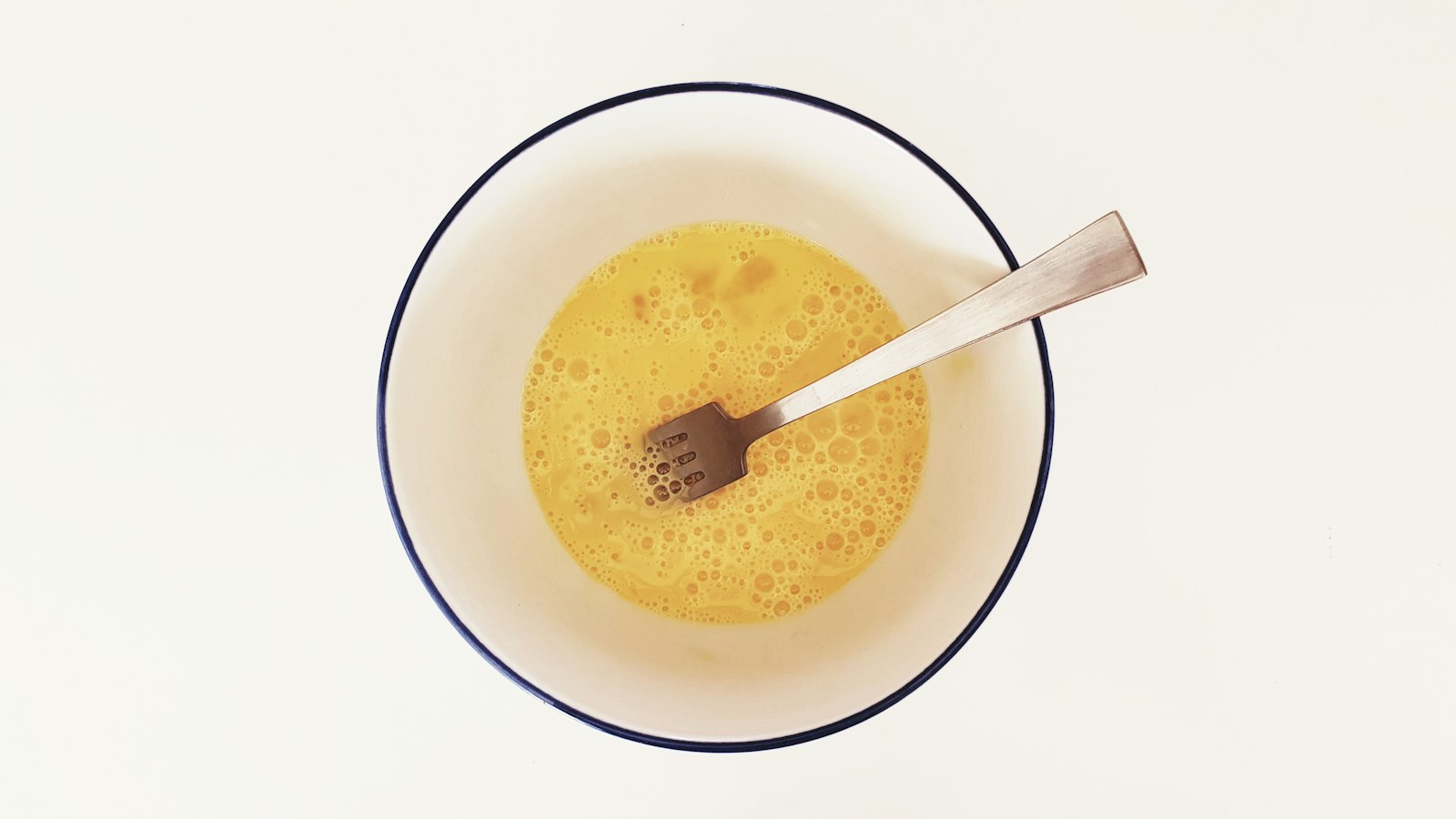
Whisk until smooth but avoid beating a large amount of air into the mixture. Too much foam can leave bubbles on the surface and an uneven texture. If using a blender to smooth the potato, blend briefly, then let the mixture stand a few minutes and skim off any thick foam before filling the ramekins.
Use ramekins with enough headroom
Four oven-safe 6-ounce ramekins are a good fit. Divide the mixture evenly and leave a little space at the top. Very deep cups take longer to set, while wide shallow dishes cook faster. Place all four in a roasting pan before adding water so you do not have to carry filled cups across the kitchen one at a time.
Use a stable pan and arrange the ramekins so they do not knock together. The water should reach about halfway up their sides. Set the pan on the oven rack first, then add hot water carefully, which shortens the distance you carry a heavy pan of liquid.
Bake gently in a water bath
Heat the oven to 325°F. The hot water surrounding the ramekins moderates the heat at their sides, helping the custard cook more evenly. Pour water around the cups, not into them, and avoid splashing as you slide the rack into place.
Begin checking around 30 minutes. The edges should be set and the center should wobble slightly as one piece when nudged. A liquid wave means it needs more time. Check that the middle reaches at least 160°F for the egg mixture, in line with FDA egg safety guidance. Do not wait for a dry, cakey center; that would overcook a custard.
Cool safely and choose warm or chilled serving
Lift the ramekins out of the water bath with a secure grip and dry mitts, then set them on a rack. Let them stand about 15 minutes if serving warm. The cups and centers stay hot longer than the surface suggests, so use small spoons and take care with the first bite.
For chilled servings, refrigerate promptly after the initial cooling period rather than leaving them out until completely cold. Cover once chilled so condensation does not drip onto the surface. The custard becomes firmer in the refrigerator and can be eaten cold.
Ways to serve them
- Yogurt and seeds: a spoonful of plain yogurt and a few toasted pumpkin seeds add tang and crunch.
- Fresh fruit: sliced pear or a few berries on top keep the breakfast bright.
- Extra maple: a small drizzle at the table is enough, since the custard is only lightly sweet.
- Brunch spread: bake the cups the day before and serve them chilled next to toast or fruit.
Troubleshooting and changes that work
A grainy texture can come from overcooking or a water bath that boiled vigorously. A watery layer may reflect overly wet sweet potato or a custard baked too long. The next batch should use well-drained mash, a gentle oven, and an early center check.
Pumpkin purée can be used for a different custard, but its moisture varies and may need a separately adjusted formula. For this version, keep sweet potato as the base. Refrigerate covered cups and use within three days for best quality. If reheating, warm gently until the center reaches 165°F. Do not leave cooked egg custards at room temperature for more than two hours, or one hour in heat above 90°F.
Frequently asked questions
Can I microwave the sweet potato first?
Yes. Pierce a scrubbed sweet potato, microwave until tender according to its size, then split, cool, and scoop out the flesh. Weigh the cooked mash. Microwave time is additional to the custard recipe and varies considerably by potato and appliance.
Can I bake one large custard instead?
A single dish changes the depth and cooking time, so individual ramekins are the more reliable choice here. If using a larger dish, keep the custard shallow, use a water bath, and check the center rather than following the cup timing exactly.
Can I leave out the maple syrup?
You can reduce or omit it if the sweet potato is very sweet and you prefer a less sweet breakfast. The eggs still provide the main structure. Taste the plain sweet potato before mixing, but do not taste the raw egg mixture.
Can I freeze the cups?
Freezing can make an egg-and-milk custard release water when thawed. For the best texture, make a small refrigerated batch instead. Cooked sweet potato purée can be frozen separately and thawed in the refrigerator for a later batch.
How do I know the custard is done?
The edges are set, the center wobbles gently as one piece, and a thermometer in the middle reads at least 160°F. A liquid ripple across the surface means it needs more time.
Can I make these dairy-free?
Unsweetened soy or oat milk can stand in for the whole milk, though the custard may set a little softer and taste slightly different. Bake the same way and rely on the temperature check rather than the timing.
Baked Sweet Potato Breakfast Custard Cups
Four softly set sweet potato custards with maple and cinnamon, baked gently in a water bath.
Equipment
Four oven-safe 6-ounce ramekins, roasting pan, mixing bowl, whisk or blender, food thermometer
Ingredients
- 250 g cooked sweet potato flesh, smoothly mashed and cooled
- 1 cup whole milk (240 ml)
- 2 large eggs
- 2 tablespoons maple syrup (40 g)
- 1 teaspoon vanilla extract
- 1/2 teaspoon ground cinnamon
- 1/8 teaspoon fine salt
- Hot water for the water bath, not mixed into the custard
Instructions
- Heat the oven to 325°F. Set four 6-ounce oven-safe ramekins in a roasting pan. Make sure the cooked sweet potato is smooth and no longer hot.
- Whisk the sweet potato, milk, eggs, maple syrup, vanilla, cinnamon, and salt until smooth. Blend briefly if needed, then let any foam settle.
- Divide the mixture among the ramekins. Carefully add hot water to the roasting pan to reach halfway up the sides of the ramekins, keeping water out of the custard.
- Bake 30 to 40 minutes, until the edges are set, the centers wobble gently as one piece, and the middle reaches at least 160°F.
- Carefully lift the cups out of the water bath. Cool 15 minutes to serve warm, or refrigerate promptly to serve chilled. Keep covered in the refrigerator and use within three days.
Notes
The total time starts with already cooked sweet potato; allow extra time if you roast or microwave it first. Do not taste the raw egg mixture. Reheat leftovers to 165°F if serving hot. The custard is meant to stay soft.
familyrecipehq.com
Helpful tools for this recipe
A set of 6-ounce ramekins (paid link) keeps the portions even, and an instant-read thermometer (paid link) makes the 160°F check easy.
More recipes for your table
For a savory use of a cooked sweet potato, try Microwave Sweet Potato with White Beans and Lemon Tahini. For another way to prepare eggs ahead, see How to Make Hard-Boiled Eggs Easier to Peel.
Baked sweet potato breakfast custard cups are a calm, gently sweet breakfast when the mash is smooth and the baking heat stays mild. Use the water bath, check the centers early, and choose a warm or chilled serving after proper cooling.




