Jump to Recipe · Rate this recipe
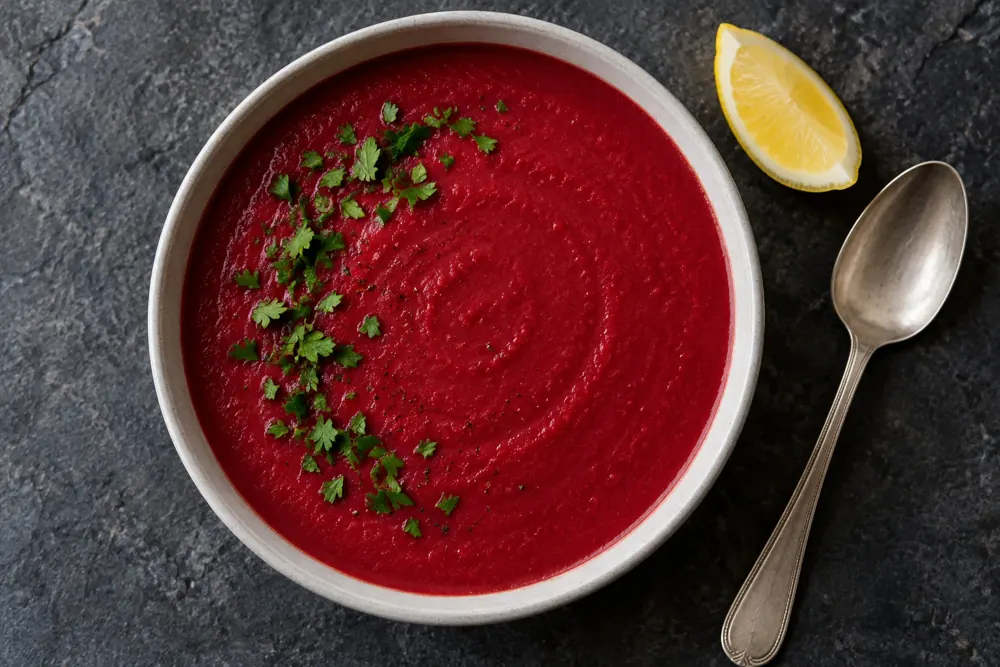
Ready-cooked beets make this red lentil soup with cooked beets practical on an ordinary evening. Split red lentils provide the body, beets give the soup its deep rosy color and gentle sweetness, and lemon keeps the earthy flavors balanced. The result is smooth and spoonable without adding milk or cream.
Choose plain cooked beets, such as vacuum-packed steamed beets or unseasoned beets you cooked earlier. Pickled beets are a different ingredient: their vinegar and sugar would change the whole pot. Because the beets are already tender, they go in after the lentils have begun to soften. This keeps the recipe focused on one short stovetop cooking stage.
Use beets for color without losing lentil texture
| Step | Why it matters |
|---|---|
| Simmer red lentils first | They break down naturally and create the body of the soup. |
| Add cooked beets later | They warm through and color the broth without needing enough time to become mushy. |
| Finish with lemon | Acid brightens the earthy beets, but it is easiest to balance after the salt and thickness are correct. |
Blend only part of the pot if you want a smoother bowl with some visible pieces. If the soup becomes too thick while standing, restore it with hot broth before adjusting lemon; dilution changes how strongly the acid is perceived.
Quick recipe reference
Affiliate disclosure: As an Amazon Associate I earn from qualifying purchases. Paid links open Amazon search results.
Yield: about 6 cups, or 4 servings. Prep: 10 minutes. Cook and blend: approximately 35–40 minutes. Total: about 45–50 minutes. Equipment: 4-quart pot (paid link), fine sieve (paid link), knife, measuring jug and an immersion blender suitable for hot liquids.
Ingredients
- 1 tablespoon olive oil
- 1 medium yellow onion, approximately 150 g, diced
- 2 garlic cloves, minced
- 1 teaspoon finely grated fresh ginger
- 1/2 teaspoon ground cumin
- 3/4 cup split red lentils, approximately 145 g, picked over and rinsed
- 4 cups low-sodium vegetable broth
- 12 ounces plain cooked, peeled beets, approximately 340 g, cut into 1/2-inch pieces
- 1/2 teaspoon fine salt, divided, plus more if needed
- 1/4 teaspoon ground black pepper
- 1 to 2 tablespoons fresh lemon juice
- 2 tablespoons chopped fresh parsley, for serving
- 1/2 to 1 cup hot water, only as needed
The recipe uses more broth than you would use to cook lentils as a side dish because the goal is soup. Hold the extra water back until after blending. Beet size and the amount of moisture inside a cooked package vary; final consistency is easier to judge once the ingredients are smooth.
Cook and blend the soup
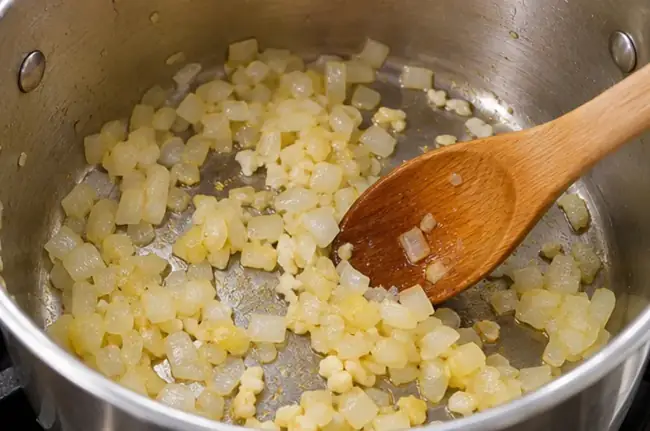

- Soften the onion. Warm the oil in the pot over medium heat. Add the onion and 1/4 teaspoon salt. Cook for 6 to 7 minutes, stirring, until translucent and soft. Avoid strong browning so the finished color stays clear and the flavor remains gentle.
- Warm the aromatics. Add the garlic, ginger and cumin. Stir for about 30 seconds, just until fragrant. Pour in a splash of the measured broth if the bottom seems dry.
- Start the lentils. Add the rinsed lentils and remaining broth. Bring to a gentle boil, then reduce the heat. Simmer, partially covered, for about 12 to 15 minutes, stirring along the bottom occasionally. The lentils should begin to soften and lose their shape.
- Add the cooked beets. Stir in the beet pieces, remaining measured salt and pepper. Simmer for another 7 to 10 minutes, until the beets are hot and the lentils are completely tender. A lentil pressed between two spoons should crush smoothly with no gritty center.
- Blend carefully. Take the pot off the heat and allow the vigorous bubbling to stop. Submerge the immersion blender’s blade guard fully before switching it on. Blend in short movements, keeping the head below the surface to avoid hot splashes, until the soup is smooth.
- Adjust and finish. Stir in 1 tablespoon lemon juice. Add hot water a little at a time if the soup is too thick. Taste, then add more lemon or salt as needed. Warm gently if necessary and serve with the parsley scattered over each bowl.
Why cooked beets change the schedule
Raw beets would need extra time to soften, especially in larger pieces. The main method avoids that uncertainty by starting with a tender product. Check a piece before cooking: it should cut easily and yield when pressed with a fork. If your home-cooked beets are still firm, finish cooking them separately before beginning the soup.
Drain plain canned beets before weighing if those are what you have. With vacuum-packed beets, discard the packing liquid unless the label indicates it is simply beet juice and you want to include a small amount for color. Do not include an unknown seasoned liquid automatically. The measured broth makes the recipe easier to season consistently.
The red lentils should be the split orange variety. They soften into the base, helping the soup hold together. The Lentils.org cooking guide distinguishes their softer texture from that of whole lentils. Whole brown lentils would leave a different texture and need a revised timing assessment.
Balance sweetness, earthiness and lemon
Beets vary in sweetness. Taste the blended soup before adding the full amount of lemon, then make small changes. The first tablespoon lifts the flavor; the second should be added only if the soup still tastes heavy. Adding all the lemon at once can turn a gentle bowl sharply sour, especially if the broth also contains acidic ingredients.
If the soup tastes sweet but flat, it may need a little more salt before it needs more acid. If it is strongly earthy, add a few extra drops of lemon to a spoonful and compare it with the pot before changing the whole batch. This small tasting test is useful whenever one ingredient has a particularly assertive flavor.
Ginger is deliberately limited to a teaspoon. It provides warmth in the background rather than turning this into a ginger soup. If serving children or anyone sensitive to that flavor, use half the amount and offer black pepper at the table. The beet color should remain the most noticeable feature when the bowl arrives.
Questions cooks ask about red lentil soup with cooked beets
Can I use golden beets?
Plain cooked golden beets are a possible substitution by weight. The soup will be yellow-orange rather than rosy. Use the same prepared weight of fully cooked beets, then adjust lemon gradually because their sweetness varies.
What if I only have pickled beets?
Save them for another dish. Rinsing cannot fully remove the vinegar and sweetness that have already flavored them. The recipe depends on seasoning the soup gradually, which is much harder when the main vegetable arrives already pickled.
Can I use a countertop blender?
Only if the blender is rated for hot liquids, following its manufacturer’s instructions. Work in small batches with the approved venting method and avoid sealed personal-blender cups. Let the soup cool as required by your machine. Never assume a tightly closed container is suitable for hot soup.
Do I have to blend it completely?
No. You can leave some small beet pieces and softened lentils for a rustic texture. Dice the beets a little smaller if choosing this approach. The main recipe’s smooth texture is a serving preference, not a requirement for the flavor to work.
Can I add coconut milk?
A small splash could create a richer variation, but it changes both the flavor and the consistency. Begin with 1/4 cup after blending and reduce the final added water. The coconut flavor will be noticeable, so taste the soup before deciding whether to add more.
Why did the soup thicken in the refrigerator?
Lentils continue to hold liquid as the soup chills. Add water during reheating, stir and wait until the soup is hot before deciding whether it needs more. A cold, thick portion often loosens considerably with gentle heat.
Make the bowl a meal
Serve with rye toast, a simple cheese sandwich or a small plate of crackers and sliced cheese. A crisp cucumber side helps balance the smooth soup. If keeping the meal dairy-free, use plain toast and a scatter of toasted pumpkin seeds instead of cheese.
Use garnishes sparingly. A little parsley or a few seeds provide contrast, while a thick layer of toppings hides the soup’s color and changes its texture. If someone wants yogurt or sour cream, offer it separately. Keep dairy toppings separate when serving the soup to anyone who needs the dairy-free base.
Refrigerate red lentil soup with cooked beets
Transfer soup into shallow containers and refrigerate within 2 hours, or within 1 hour above 90°F. Keep the refrigerator at 40°F or below and use within 3 to 4 days. For longer storage, freeze portions for up to 2 to 3 months for quality. Thaw in the refrigerator, then reheat with added water as needed until it reaches 165°F. Add fresh parsley after reheating.
Beet soup can stain porous containers, towels and cutting boards. Use washable equipment and wipe spills promptly, especially around the blender. Label the stored portions with the cooking date. If using beets cooked on a previous day, count their earlier refrigerated time as part of the total storage plan.
If you have extra cooked beets, use them in quinoa and butter bean bowls with cooked beets. For a different soup from the lentil bag, try our small-batch red lentil carrot soup.
Food handling references: FDA storage guidance and FoodSafety.gov reheating temperatures.
Red Lentil Soup With Cooked Beets and Lemon
Ingredients
Equipment
Method
- Soften the onion. Warm the oil in the pot over medium heat. Add the onion and 1/4 teaspoon salt. Cook for 6 to 7 minutes, stirring, until translucent and soft. Avoid strong browning so the finished color stays clear and the flavor remains gentle.
- Warm the aromatics. Add the garlic, ginger and cumin. Stir for about 30 seconds, just until fragrant. Pour in a splash of the measured broth if the bottom seems dry.
- Start the lentils. Add the rinsed lentils and remaining broth. Bring to a gentle boil, then reduce the heat. Simmer, partially covered, for about 12 to 15 minutes, stirring along the bottom occasionally. The lentils should begin to soften and lose their shape.
- Add the cooked beets. Stir in the beet pieces, remaining measured salt and pepper. Simmer for another 7 to 10 minutes, until the beets are hot and the lentils are completely tender. A lentil pressed between two spoons should crush smoothly with no gritty center.
- Blend carefully. Take the pot off the heat and allow the vigorous bubbling to stop. Submerge the immersion blender's blade guard fully before switching it on. Blend in short movements, keeping the head below the surface to avoid hot splashes, until the soup is smooth.
- Adjust and finish. Stir in 1 tablespoon lemon juice. Add hot water a little at a time if the soup is too thick. Taste, then add more lemon or salt as needed. Warm gently if necessary and serve with the parsley scattered over each bowl.