
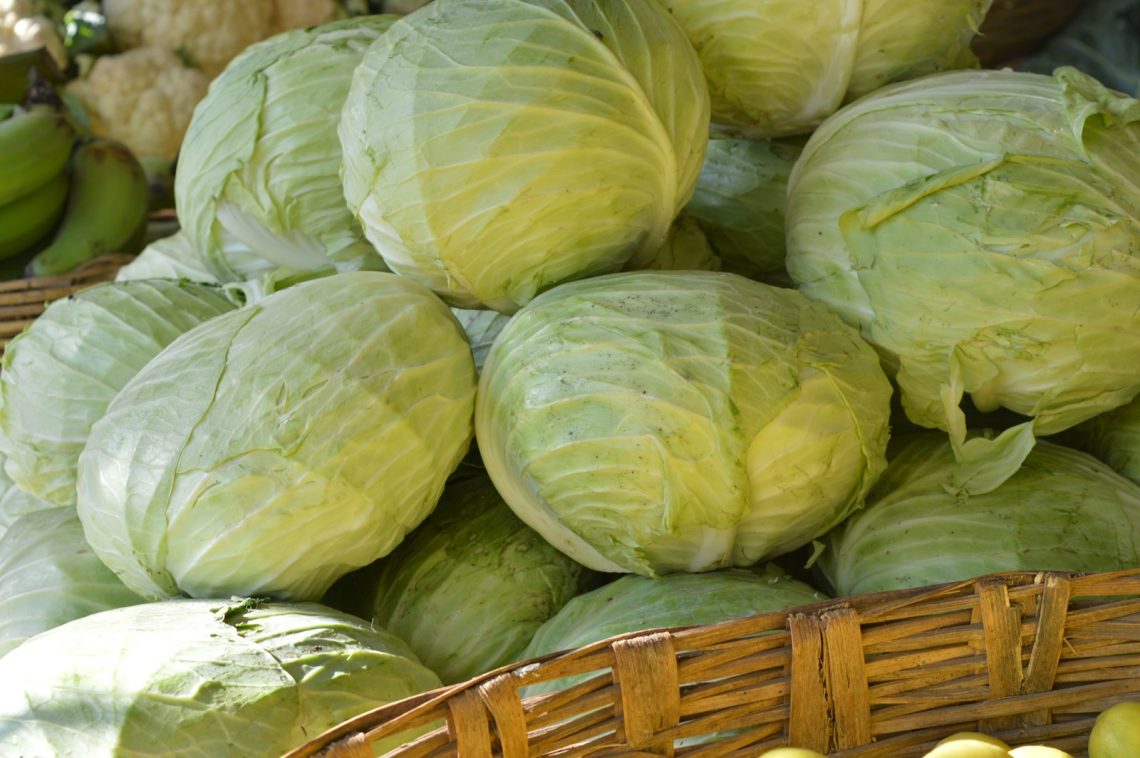
Unsweetened cocoa is usually shelved beside cake ingredients, but a small amount can also give a vegetable dish a darker, gently bitter edge. Roasted cabbage with cocoa orange butter pairs that flavor with browned cabbage, fragrant orange zest, and toasted pepitas. The cocoa stays in the background; this is a savory side dish, with no sugar or chocolate candy involved.
Affiliate disclosure: As an Amazon Associate I earn from qualifying purchases. These paid links open Amazon search results so you can compare suitable tools.
A rimmed metal baking sheet (paid link) gives the cabbage wedges room to roast. A broad cooking spatula (paid link) helps lift and turn each wedge while keeping the leaves together.
The method has two separate jobs. First, roast the cabbage until a knife passes through the thickest portion with little resistance. Then whisk the warm sauce and spoon it over just before serving. Keeping the sauce off the roasting tray protects its delicate butter and zest from prolonged high heat.
Go to the roasting method · Balance the sauce · Jump to recipe
Tip: Judge doneness by tenderness at the thickest part near the core, not by browning alone. Tent with foil if the edges darken first.
What the finished plate should look like
Picture four compact cabbage wedges with bronze cut surfaces and soft, slightly translucent inner leaves. A modest amount of the sauce runs into the folds, while green pepitas add crunch. Dark cocoa should tint the sauce rather than form a dry crust. The orange should smell fresh when the dish reaches the table.
The ingredients, in order of importance
- Green cabbage, 500 grams
- Choose a firm half head, keeping the core attached. Very large wedges take longer to soften, so size is more useful than counting an arbitrary half cabbage.
- Unsalted butter, two tablespoons
- This carries the cocoa and zest. Unsalted butter lets you adjust seasoning after tasting rather than committing to a salty sauce.
- Unsweetened cocoa, one-half teaspoon
- Use ordinary baking cocoa, not hot chocolate mix. The small quantity is intentional: more cocoa can make a vegetable sauce taste dusty or bitter.
- Orange zest and juice
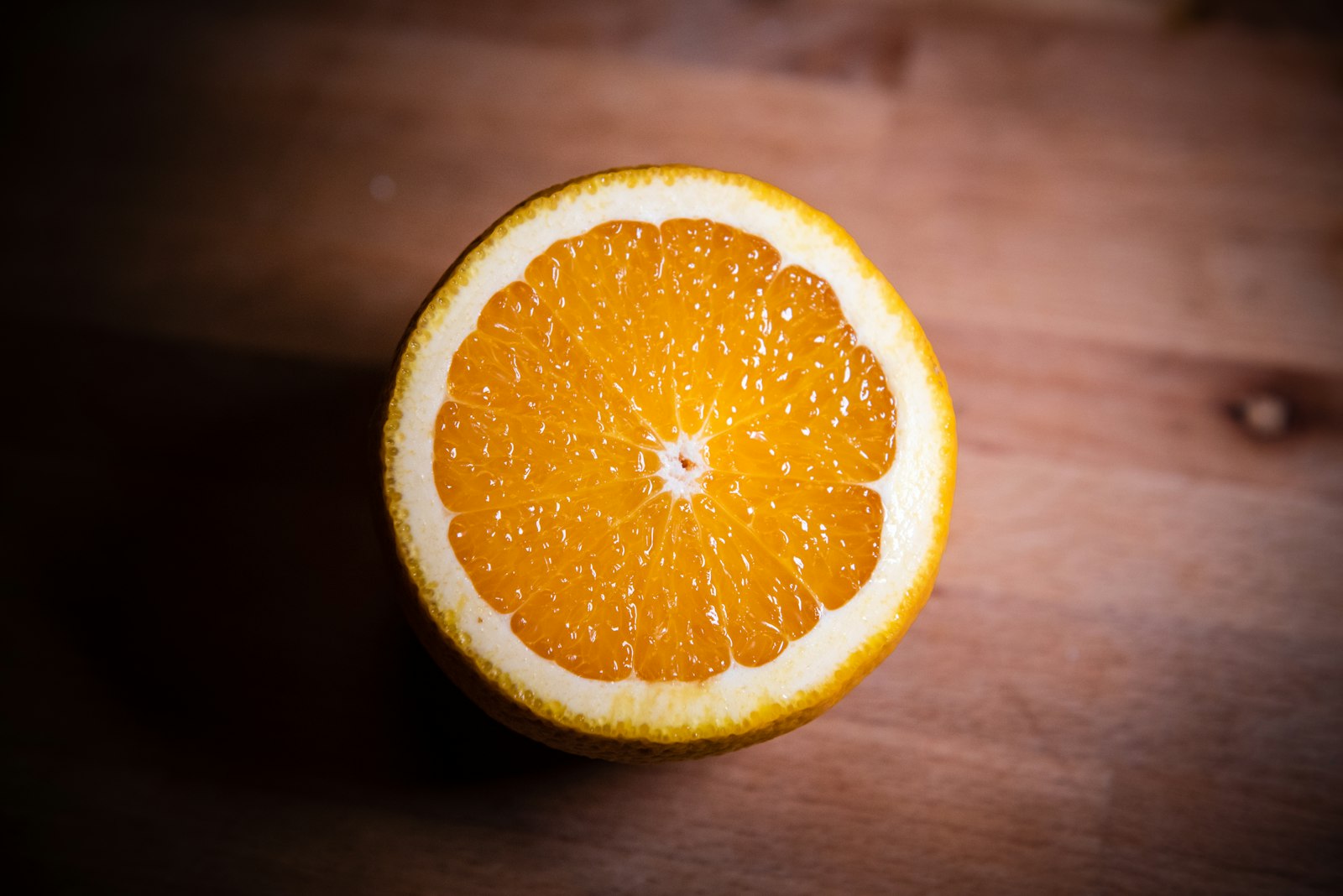
- The zest provides aroma; the juice loosens the butter and gives a little sweetness and acidity. Zest only the colored surface, leaving the white pith behind.
- Pepitas
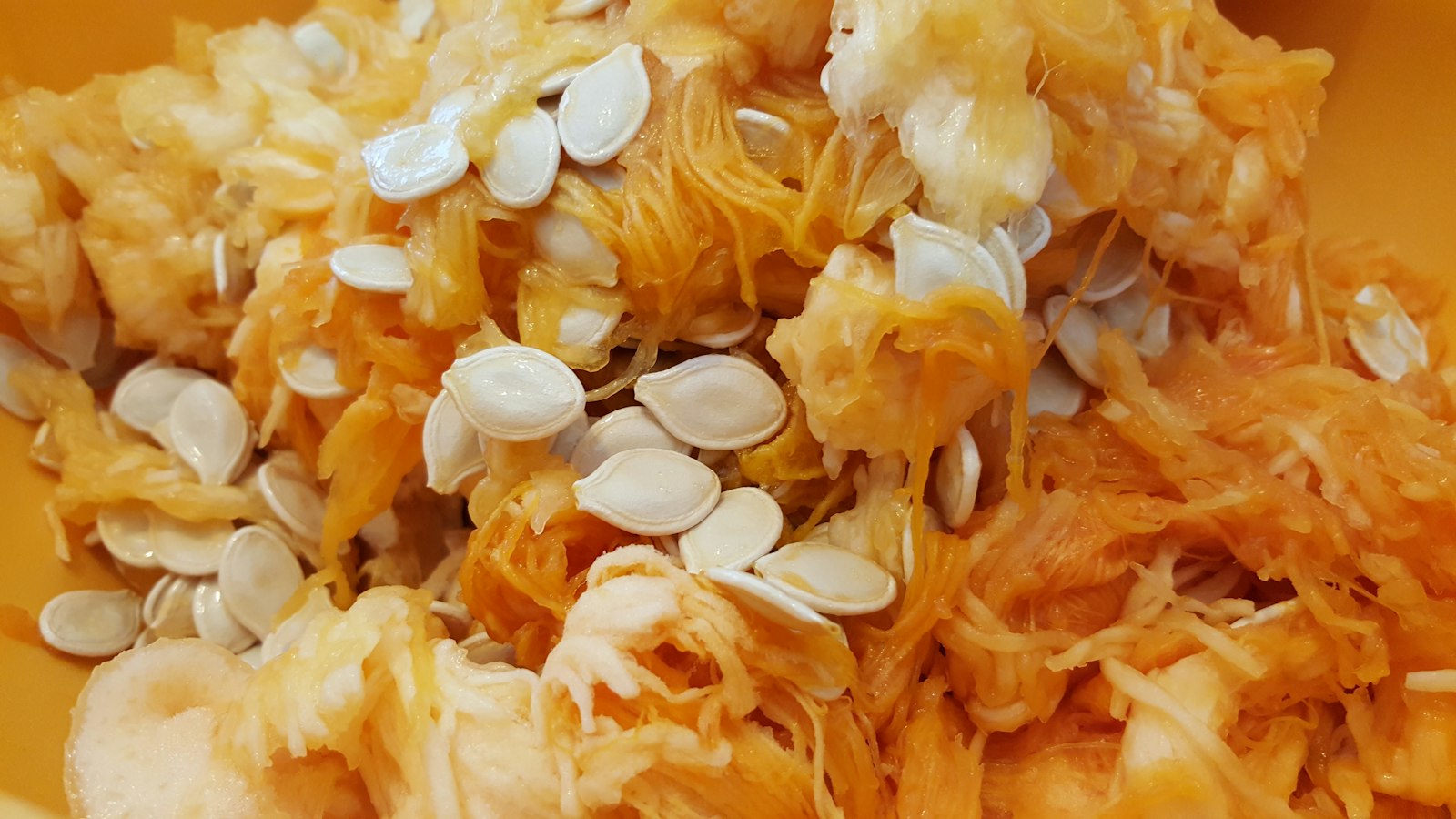
- Roasted shelled pumpkin seeds supply a crisp finish. Add them at the table so they do not soften in the sauce.
Why the flavors belong together
Roasting gives the cabbage a sweeter, fuller flavor and takes away much of its raw crunch. A little cocoa offers contrast to that sweetness, in the same way a bitter green can balance a rich dish. Orange zest lifts the aroma without requiring a large quantity of sour juice. Butter brings those elements together so each bite does not taste like separate powders and citrus.
Roasted cabbage with cocoa orange butter: the method
- Prepare a hot oven and a dry vegetable. Heat to 425°F. Remove damaged outer leaves, rinse if needed, and dry well. Cut the 500-gram half cabbage into four wedges through the core. A small piece of core should hold each wedge together; trim only a tough protruding stem.
- Oil the cut faces. Place the wedges on a rimmed metal sheet, with room between them. Brush with one tablespoon olive oil and season with one-quarter teaspoon fine salt and black pepper. Set a broad cut face against the tray so it can brown.
- Roast before touching. Cook for 18 minutes, then lift each wedge with a broad spatula and turn onto its other cut face. If one sticks, let it roast another minute before trying again; forcing it apart can scatter the leaves.
- Check the thickest part. Continue for 12–17 minutes. The edge color is only part of the decision: slide a small knife near the core. If the center still feels hard, loosely tent with foil and continue in five-minute intervals.
- Build the warm finish. While the cabbage completes its final minutes, melt two tablespoons butter in a small saucepan over low heat. Take off the heat, whisk in cocoa and orange zest, then slowly whisk in the orange juice and cider vinegar. Keep the sauce warm, not boiling.
- Finish at serving. Put the wedges on warm plates, spoon a little sauce over each, and scatter with pepitas. Serve the remaining sauce alongside so diners can choose how pronounced they want the cocoa-orange flavor.
Taste the sauce with cabbage, not by itself
A sauce can taste intense on a spoon and balanced on a large wedge of vegetables. Set aside a small cooked cabbage leaf, coat it lightly, and taste that combination before changing the formula. Add a tiny pinch of salt only if needed. The bracing taste of the sauce alone is not a reason to pour in sugar.
If the sauce is too bitter, check that you used half a teaspoon of cocoa, not half a tablespoon. Whisk in one additional teaspoon of butter and a teaspoon of orange juice to soften a slightly strong batch. If the flavor is dull, a few drops of vinegar are more targeted than another large spoonful of cocoa.
The sauce may separate into small butter droplets as it stands. That is acceptable for a spooned vegetable finish. Whisk it again off the heat immediately before serving. If the butter solidifies, warm it gently; prolonged boiling drives off the fresh orange aroma and can make the remaining mixture more concentrated.
Three common roasting problems
The leaves are black but the core is hard
The wedges may be too thick or too close to the upper heating element. Move the tray to the middle rack and tent the cabbage loosely with foil. Next time, cut more even wedges rather than raising the temperature.
The cabbage is pale and wet
There may be too many pieces on the tray or too much surface water. Give each wedge space and dry it before oiling. A crowded glass casserole steams differently from a roomy metal sheet.
The wedges fall apart when flipped
A little core helps hold the leaves together. Use a wide spatula, support the loose edge, and turn once. Detached leaves are still usable; remove any that finish early so they do not burn while the larger pieces cook.
Substitutions and serving choices
Savoy cabbage has more open, delicate leaves and may brown faster; start checking early. Red cabbage is firmer and changes the look of the cocoa sauce, so treat its timing as a separate experiment. With either variety, check the thickest part for tenderness before serving.
Toasted sunflower seeds can replace pepitas. A dairy-free baking stick can replace butter, though its salt content and melting behavior will affect the sauce. Olive oil makes a different, thinner finish rather than the same butter sauce. Use lemon only if you want a sharper result; orange supplies both aroma and a little natural sweetness.
Make-ahead and leftover notes
Cut the cabbage and refrigerate it covered earlier in the day. Measure the sauce ingredients separately. Roast near serving time for the best contrast between browned surfaces and tender centers; reheated wedges will be softer.
Refrigerate cooked leftovers in a shallow covered container within two hours, or one hour above 90°F, and hold at 40°F or below. Use within three days and reheat to 165°F. Keep any remaining pepitas separate. These storage and reheating practices follow USDA guidance for leftovers.
Frequently asked questions
Can I use a chocolate bar?
No direct substitution is specified. A bar adds cocoa butter and often sugar, changing the sauce. Use unsweetened baking cocoa for the measured formula.
Does the cabbage need boiling first?
No. The recipe roasts raw wedges. Check tenderness near the core and use the foil-tent adjustment if necessary.
Is this spicy?
Only black pepper supplies a little warmth. Cocoa is not a hot spice. Add chile separately if you enjoy it.
Can I make a whole cabbage?
Double the ingredients and use two trays if needed. Rotate their positions during roasting and allow more time if the wedges are larger.
With roasted cabbage with cocoa orange butter, restraint is useful: thoroughly tender cabbage, a little sauce, and a crisp topping give the unusual pairing a clear purpose.
Roasted Cabbage with Cocoa Orange Butter
Ingredients
Equipment
Method
- Heat oven to 425°F. Dry the cabbage wedges well. Brush with olive oil and season with salt and pepper on a rimmed metal sheet.
- Roast on one cut face for 18 minutes. Turn with a wide spatula, then roast 12–17 minutes more, until browned and a knife slips near the core with little resistance. Tent with foil and continue briefly if the center remains hard.
- Melt butter gently over low heat. Remove from the heat and whisk in cocoa and orange zest. Slowly whisk in orange juice and vinegar.
- Taste a little sauce on a cooked cabbage leaf; add only a small pinch of salt if needed. Spoon over warm wedges, scatter with pepitas, and serve.




