The safe mahi mahi temperature is 145°F (63°C) in the thickest center. Insert a thermometer from the side, check early, and remove each finished portion from the hot pan. For a lean fillet, stopping promptly matters more than chasing a deeply browned crust.
The best mahi mahi temperature for moist fish
For home cooks, the safest finish line is 145°F in the thickest part. That’s the practical benchmark on FoodSafety.gov’s safe minimum temperature chart for seafood.
Check the thickest part from the side with an instant-read thermometer. Continue cooking until it measures 145°F (63°C), then remove the fish promptly. Carryover heat varies with fillet thickness and cooking method; do not assume a fillet removed at 140°F will reach the recommended minimum while resting.
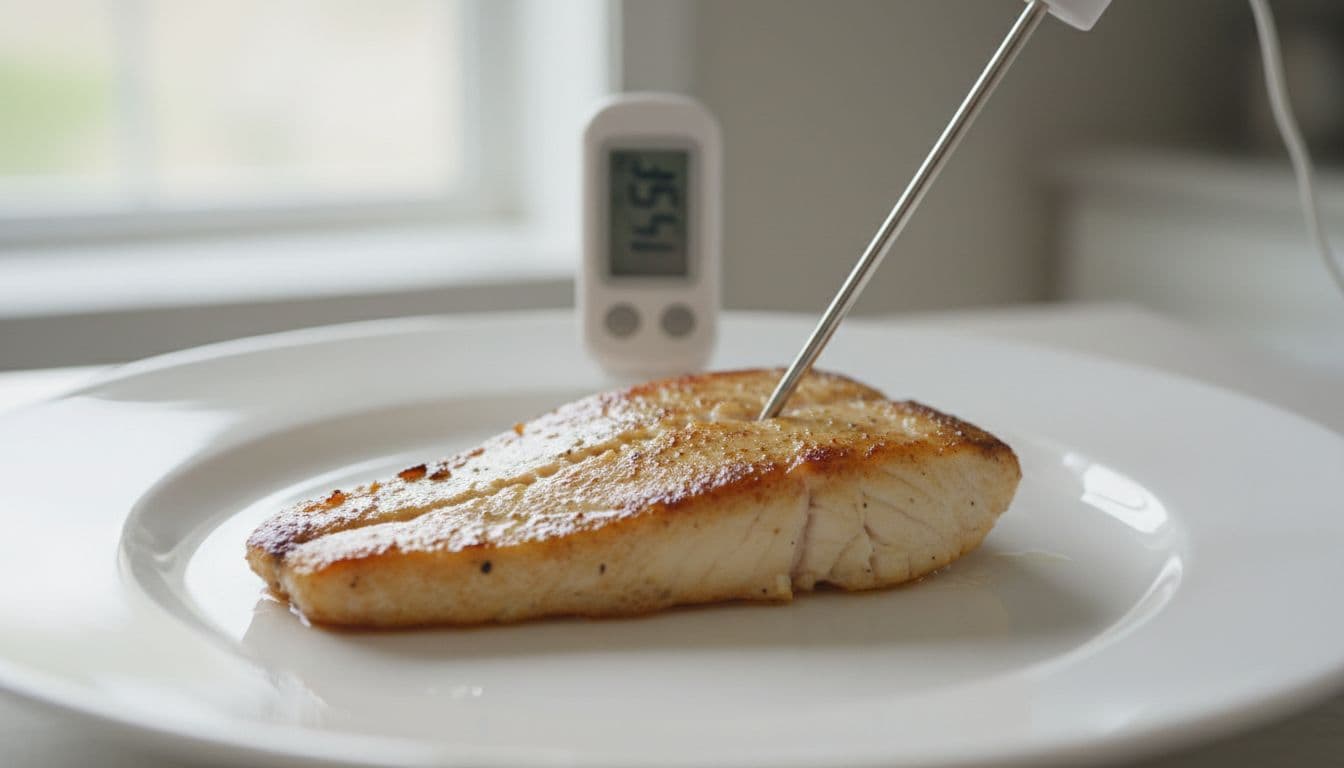
Insert an instant-read thermometer sideways into the thickest part. That angle gives a better reading and helps you avoid touching the hot pan, grill grate, or baking dish.
Begin checking mahi mahi early, then stop cooking once the thickest part reaches 145°F (63°C). This limits extra cooking while keeping the endpoint measurable.
Visual cues and cook times that back up the thermometer
A thermometer is your best guide, yet your eyes and fork should confirm what it says. As mahi mahi cooks, the flesh changes from glossy and slightly translucent to opaque.
Here’s what done fish usually looks and feels like:
- The center loses its raw sheen.
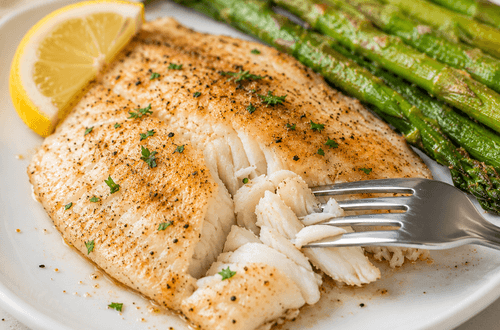
- The flesh flakes with light pressure from a fork.
- The fillet feels firm, but still has a little spring.
Time helps too, especially when fillets vary in thickness. Use these ranges as a starting point, then check the center.
| Thickness | Pan-sear total | Bake at 400°F | Grill total | Air fry at 400°F |
|---|---|---|---|---|
| 1/2 inch | 4 to 5 min | 6 to 8 min | 4 to 5 min | 5 to 6 min |
| 3/4 inch | 5 to 7 min | 8 to 10 min | 6 to 8 min | 7 to 8 min |
| 1 inch | 6 to 8 min | 10 to 12 min | 8 to 10 min | 8 to 10 min |
| 1 1/4 inch | 8 to 10 min | 12 to 14 min | 10 to 12 min | 10 to 12 min |
These times assume thawed fillets and steady heat. Colder fish, sugary marinades, and uneven thickness can shift the timing, so trust the center of the fish more than the clock.
Choose the cooking method for your fillet
Each cooking method finishes the fish a little differently. That means the last minute matters most.
Pan-sear mahi mahi without overcooking
Prepare the fish and pan
Keep it simple: mahi mahi fillets, oil, salt, and pepper. For extra flavor, use a quick butter, garlic, and lemon finish. Cast-iron, stainless steel, or nonstick all work, and thicker fillets need a little more time.
Choose fillets that are dry, firm, and close in size
Pick fillets that are firm, dry, and close in size. Even pieces cook evenly. Pat them very dry before they hit the pan, because moisture makes fish steam instead of brown.
Sear, turn, then measure
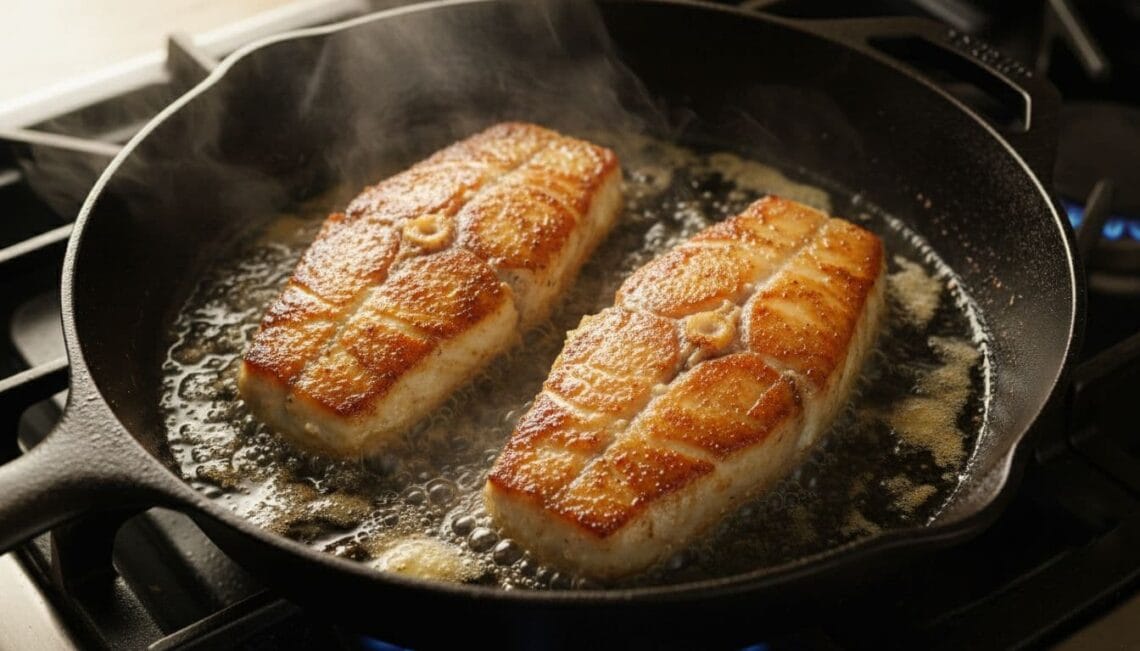
Season both sides. Heat a thin layer of oil over medium-high heat until it shimmers. Cook the first side for about 3 to 4 minutes, flip gently, and begin checking after another 2 minutes. Reduce the heat if the outside browns too quickly, and continue until the thickest part measures 145°F (63°C). Times are estimates.
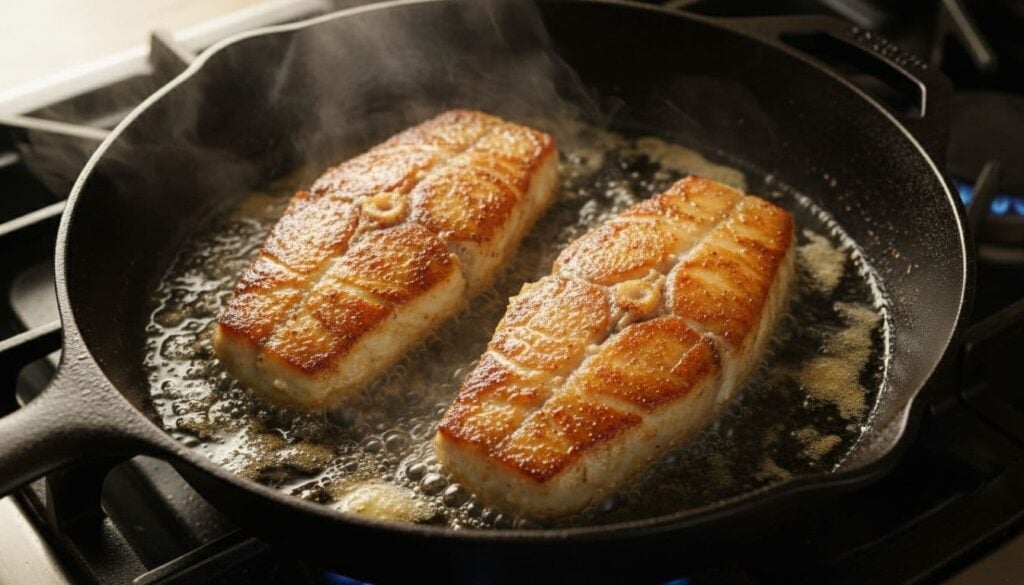
Leave the fish alone while the first side sears
Moving the fillets too soon stops the crust from setting. It can also tear the surface, worsening sticking. Once the first side is ready, the fish usually releases more easily.
Finish with lemon butter if you want extra flavor
After cooking, lower the heat. Melt a little butter with garlic, squeeze in lemon juice, and spoon it over the fish. That small finish adds shine and brightness.
Common mistakes that can ruin the texture
A cool pan leaves the fish pale. Heat that’s too high can burn the outside before the center cooks. Wet fillets steam, and overcooking turns lean mahi mahi dry fast. If you’re unsure, check the temp instead of guessing.
Use heat that browns the outside without drying the inside
Medium-high is usually best. If the crust darkens too fast or the oil smokes hard, turn the heat down slightly.
Sides and alternative cooking methods
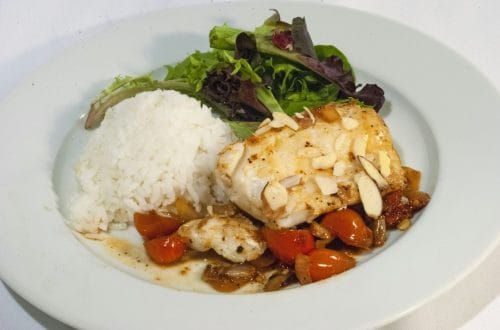
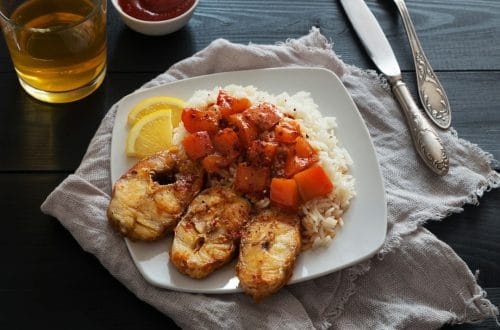
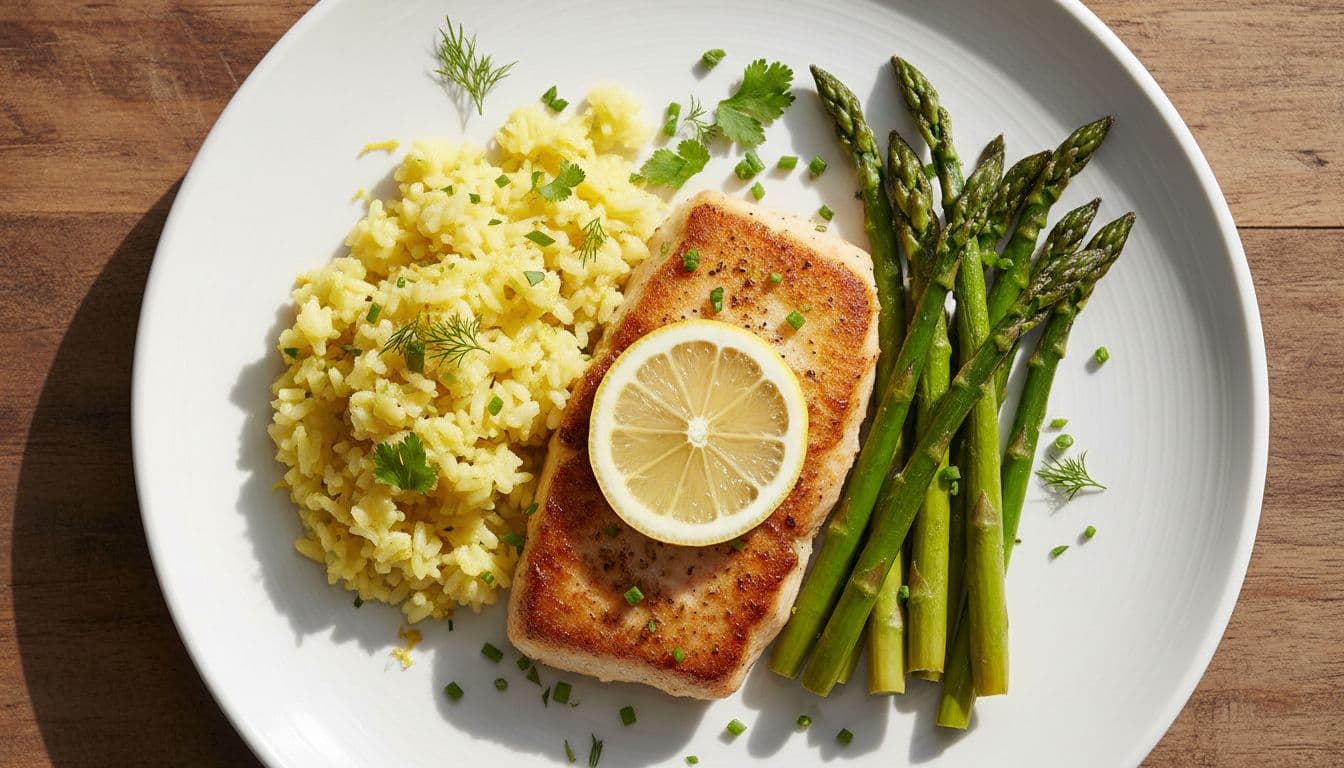
Serve pan-seared mahi mahi with lemon rice, roasted asparagus, or other quick vegetables. Avocado salsa works well too, because the cool, creamy texture balances the crisp crust.
Baking
Brush the fish lightly with oil or melted butter. Start checking thin fillets around 8 minutes and thicker fillets around 10 minutes; oven temperature and thickness change the timing. Remove each fillet only after its thickest part measures 145°F (63°C).
Grilling
Grilling adds flavor fast, but it can dry lean fish even faster. Oil the fillet lightly, clean the grates well, and don’t force a flip. When the fish releases on its own, turn it once and finish it quickly. Check the thickest center after turning, moving it to a cooler part of the grill if the surface darkens too quickly.
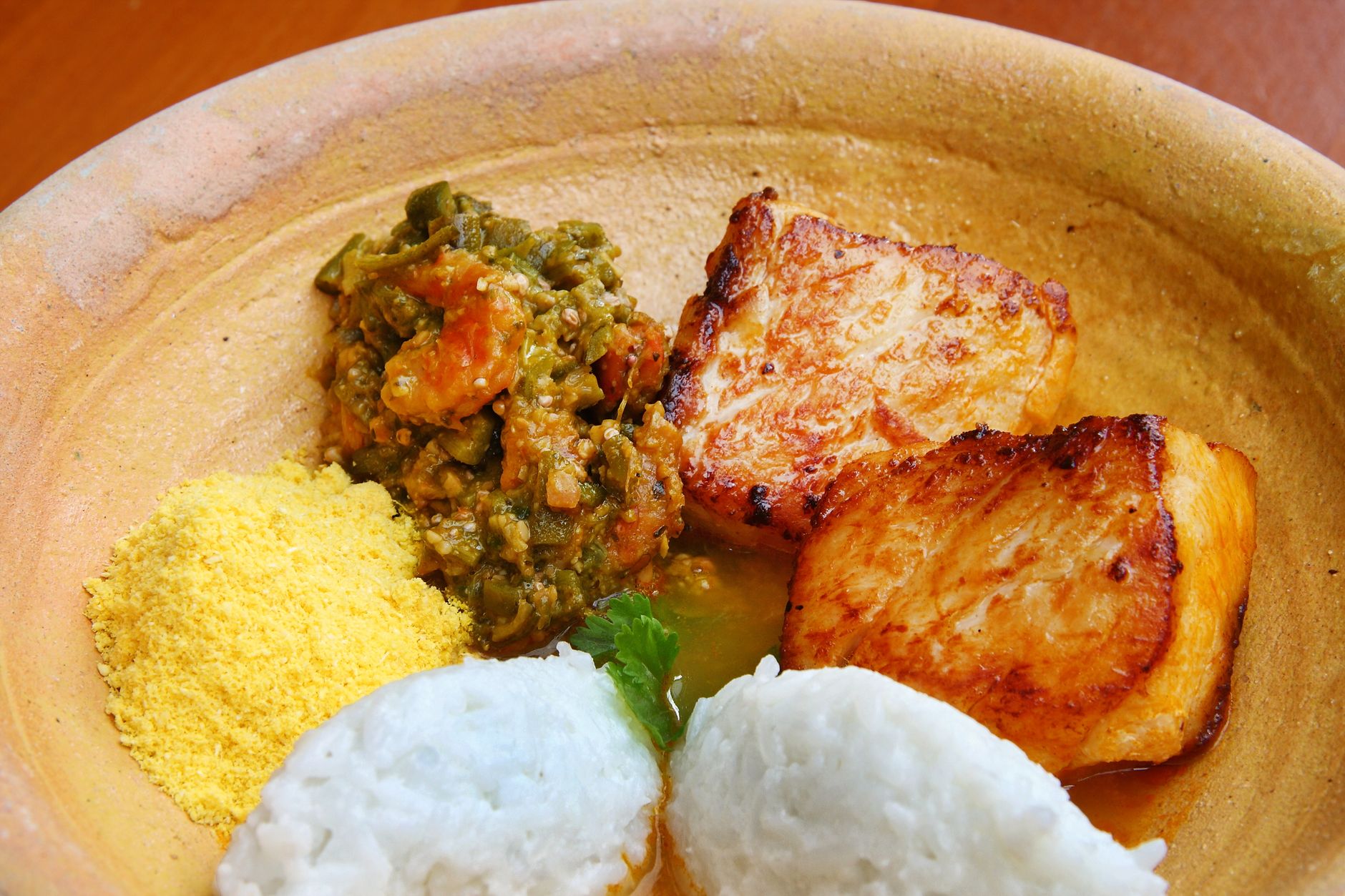
Photo by Luiz Henrique Mendes
Air frying
Air fryers brown the outside quickly, so color can fool you. A light brush of oil helps, and 400°F works well for many fillets. Start checking about 2 minutes before you think it’s done. That small head start matters, because air fryers can take a fillet from moist to dry in a hurry.
Quick fixes for dry, undercooked, or uneven fillets
Sometimes dinner misses the mark. The good news is that you can usually recover, or at least avoid the same problem next time.
- If the fish is dry, add moisture at the table with lemon butter, salsa, or a spoonful of pan juices.
- If it’s undercooked, return it to gentle heat for 30 to 60 seconds at a time, then check again in the center.
- If it cooks unevenly, choose fillets with similar thickness, or fold the thin tail end under so the whole piece finishes closer together.
Keep thawed fillets refrigerated until preparation. To reduce uneven cooking, group pieces by thickness and lower the heat if the exterior browns before the center reaches 145°F; a brief counter rest does not reliably warm the thick center.
For moist mahi mahi, check the center early, use moderate heat when the exterior browns, and remove each fillet when the thickest part reaches 145°F (63°C). Serve promptly with sauce or lemon instead of extending the cooking time.
Store and reheat mahi mahi
Refrigerate leftovers in shallow containers within 2 hours, or within 1 hour above 90°F. Keep them at 40°F or colder, use within 3–4 days, and reheat the center to 165°F. These limits follow USDA leftover guidance. Reheat only the amount you need and stop promptly at the endpoint to limit drying.