Peach Cobbler with Self Rising Flour: A Foolproof Southern Dessert
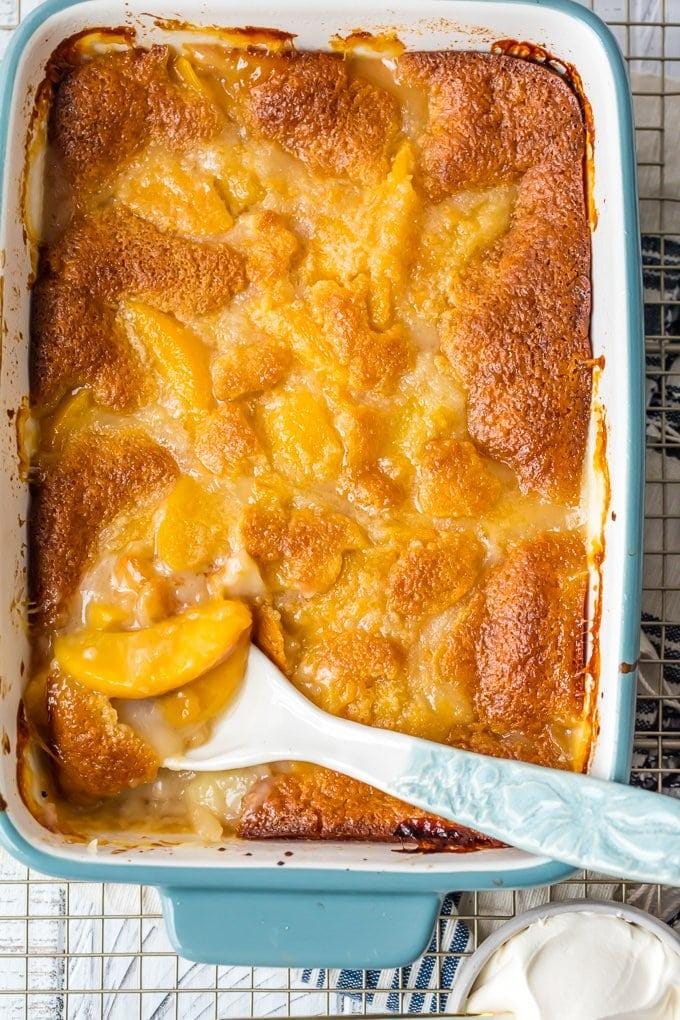
Few desserts are as comforting as a warm homemade peach cobbler fresh from the oven. With juicy peaches bubbling beneath a golden, buttery crust, it’s the kind of dessert that never goes out of style. The best part? Making peach cobbler with self rising flour is incredibly simple because the flour already contains the perfect balance of baking powder and salt.
Whether you’re using fresh summer peaches, canned peaches from the pantry, or frozen peaches from the freezer, this recipe comes together quickly with everyday ingredients. The self rising flour creates a tender, fluffy topping that’s crisp around the edges while staying soft and cake-like inside.
If you’ve never made peach cobbler before, don’t worry. This detailed guide walks you through every step so you’ll have bakery-quality results the very first time.
Why Use Self Rising Flour?
Many traditional cobbler recipes require measuring flour, baking powder, and salt separately. Using self rising flour eliminates extra measuring while producing consistent results every time.
Benefits include:
- Less measuring
- Fewer ingredients
- More reliable rising
- Soft, fluffy texture
- Great for beginners
Since self rising flour already includes the proper leavening, your cobbler develops a beautiful golden crust without additional baking powder.
What Is Peach Cobbler?
Peach cobbler is a classic American dessert featuring sweet peaches baked beneath a biscuit-like, cake-like, or pastry topping.
Unlike pie, cobbler doesn’t require rolling dough. Instead, the batter or biscuit topping bakes directly over the fruit, creating a rustic dessert that’s easy enough for weeknights yet impressive enough for holidays.
The Southern-style version of peach cobbler with self rising flour has become especially popular because it’s nearly impossible to mess up.
Ingredients
For the Peach Filling
- 6–8 fresh peaches (peeled and sliced)
- OR 2 large cans sliced peaches (drained)
- OR 5 cups frozen peaches (thawed)
- ¾ cup granulated sugar
- ¼ cup brown sugar
- 1 tablespoon lemon juice
- 1 teaspoon vanilla extract
- 1 teaspoon cinnamon
- ¼ teaspoon nutmeg
- 2 teaspoons cornstarch
For the Cobbler Topping
- 2 cups self rising flour
- 1 cup granulated sugar
- 1 cup whole milk
- ½ cup melted butter
- 1 teaspoon vanilla
- Optional: ½ teaspoon cinnamon
Fresh vs. Frozen vs. Canned Peaches
One of the best things about making peach cobbler with self rising flour is that almost any type of peach works well.
Fresh Peaches
Fresh peaches provide the brightest flavor during peach season. They hold their texture beautifully while baking and create a naturally sweet filling.
Choose peaches that are:
- Slightly soft
- Fragrant
- Free of bruises
Frozen Peaches
Frozen peaches work wonderfully year-round.
Allow them to thaw completely before baking and drain away excess liquid to prevent a watery cobbler.
Canned Peaches
Canned peaches are the quickest option.
If using peaches packed in heavy syrup, reduce the added sugar slightly.
If packed in juice, use the recipe as written.
How to Peel Fresh Peaches Easily
Instead of using a vegetable peeler, blanch the peaches.
- Bring water to a boil.
- Score a small “X” on the bottom.
- Boil for 30 seconds.
- Transfer immediately into ice water.
- The skins slide right off.
Step 1: Prepare the Peach Filling
Preheat the oven to 350°F (175°C).
Combine:
- peaches
- sugar
- brown sugar
- cinnamon
- nutmeg
- vanilla
- lemon juice
- cornstarch
Mix gently until the peaches are evenly coated.
Allow the mixture to rest for about 10 minutes so the peaches begin releasing their juices.
Step 2: Melt the Butter
Pour the melted butter into a 9×13-inch baking dish.
Do not stir afterward.
The butter creates a wonderfully crisp, buttery crust while helping the batter rise evenly.
Step 3: Make the Batter
Whisk together:
- self rising flour
- sugar
Add:
- milk
- vanilla
Mix until smooth.
Avoid overmixing. A few tiny lumps are perfectly fine.
Step 4: Assemble the Cobbler
Pour the batter directly over the melted butter.
Do not stir.
Next, spoon the peach mixture evenly across the batter.
Again—
Do not stir.
As the cobbler bakes, the batter rises around the peaches, creating the signature cobbler texture.
Step 5: Bake
Bake for:
45–55 minutes
The cobbler is finished when:
- the top is deep golden brown
- edges are bubbling
- center is fully set
- a toothpick comes out mostly clean
Allow the cobbler to cool for about 20 minutes before serving.
Why This Recipe Works
The beauty of peach cobbler with self rising flour lies in the science.
The baking powder already mixed into the flour reacts with the milk and oven heat, producing carbon dioxide bubbles that create a light, fluffy topping.
Meanwhile:
- butter browns the crust
- sugar caramelizes
- peaches release juices
- cornstarch thickens everything into a rich filling
Tips for the Best Peach Cobbler
Don’t Overmix
Overmixed batter develops gluten, making the topping dense instead of tender.
Don’t Stir the Layers
The batter rises naturally around the fruit during baking.
Mixing everything together prevents the classic cobbler texture.
Let It Rest
Fresh from the oven, the filling is extremely hot and loose.
Resting allows the juices to thicken.
Add Extra Cinnamon
For deeper flavor, sprinkle additional cinnamon and coarse sugar across the top before baking.
Use Real Butter
Real butter provides a richer flavor than margarine and creates crisp edges.
Delicious Variations
Cinnamon Peach Cobbler
Double the cinnamon and add a pinch of cloves.
Peach Blackberry Cobbler
Replace one cup of peaches with fresh blackberries.
Peach Blueberry Cobbler
Blueberries add beautiful color and a hint of tartness.
Brown Butter Cobbler
Brown the butter before adding it to the baking dish for a nutty, caramel-like flavor.
Almond Peach Cobbler
Add ½ teaspoon almond extract to complement the peaches.
Common Mistakes
Using Cold Butter
Always melt the butter completely.
Too Much Flour
Measure flour correctly using the spoon-and-level method.
Overbaking
The topping should be golden—not dark brown.
Watery Filling
Drain canned peaches well.
Thaw and drain frozen peaches before using.
Too Much Sugar
Very ripe peaches require less sugar than tart peaches.
Taste your fruit before measuring.
What to Serve with Peach Cobbler
Warm peach cobbler is delicious on its own, but it becomes even better with:
- Vanilla ice cream
- Fresh whipped cream
- Caramel sauce
- Cinnamon ice cream
- Bourbon whipped cream
- Greek yogurt for breakfast
- Toasted pecans
- Fresh mint
Storage
Allow the cobbler to cool completely before covering.
Store in the refrigerator for up to 4 days.
Can You Freeze Peach Cobbler?
Yes.
Wrap tightly and freeze for up to 3 months.
Thaw overnight in the refrigerator.
Reheat in a 350°F oven for about 20 minutes until warmed through.
Frequently Asked Questions
Can I use canned peaches?
Absolutely. They’re one of the easiest options for making peach cobbler with self rising flour, especially when peaches aren’t in season.
Can I use frozen peaches?
Yes. Just thaw and drain them first to prevent excess liquid from making the filling runny.
What if I only have all-purpose flour?
You’ll need to make your own self-rising flour by adding baking powder and salt. For every 1 cup of all-purpose flour, add 1½ teaspoons baking powder and ¼ teaspoon salt.
Should I peel the peaches?
Peeling is recommended for the smoothest texture, but leaving the skins on is perfectly fine if you prefer a more rustic cobbler.
Can I make this ahead of time?
Yes. Bake the cobbler a day in advance, refrigerate it, and reheat before serving. The flavors often become even better after resting overnight.
Why didn’t my topping rise?
Common causes include using expired self rising flour, overmixing the batter, or stirring the butter, batter, and peaches together before baking.
Final Thoughts
Making peach cobbler with self rising flour is one of the easiest ways to enjoy a homemade Southern dessert without a lot of complicated steps. The self rising flour simplifies the recipe while producing a light, tender topping that perfectly complements sweet, juicy peaches. Whether you use fresh peaches at the height of summer or canned peaches from your pantry, this cobbler delivers comforting flavor every time.
Serve it warm with a generous scoop of vanilla ice cream, and you’ll have a timeless dessert that’s perfect for family dinners, holidays, potlucks, or any occasion that calls for a little sweetness. Once you try this recipe, peach cobbler with self rising flour is likely to become one of your favorite go-to desserts.
remake the article with long paragraphs and sentences.
It looks like you want the article rewritten in a more traditional blog style with long, informative paragraphs instead of short sections and bullet-heavy formatting. That style is also excellent for SEO because it creates more natural topical depth.
Peach Cobbler with Self Rising Flour: An Easy Southern Dessert with a Perfect Golden Crust
Meta Title: Peach Cobbler with Self Rising Flour | Easy Homemade Recipe
Meta Description: Learn how to make the best peach cobbler with self rising flour using fresh, canned, or frozen peaches. This easy Southern recipe creates a buttery golden crust every time.
Peach Cobbler with Self Rising Flour: A Simple Homemade Dessert Everyone Will Love
There are few desserts that capture the warmth and comfort of homemade baking quite like peach cobbler with self rising flour. The combination of sweet, juicy peaches bubbling beneath a rich, buttery crust has made peach cobbler a favorite across the United States for generations. Whether it is served at a family barbecue during the summer, on a holiday dessert table, or simply after a weeknight dinner, this classic dessert always brings people together. One of the reasons this recipe has remained so popular is because it requires only a handful of simple ingredients while delivering bakery-quality results. By using self rising flour, you eliminate the need to measure separate leavening ingredients, making the entire process quicker, easier, and much more beginner-friendly. Even if you have never baked a cobbler before, this recipe is forgiving enough to produce a beautiful golden topping with very little effort.
Unlike traditional pie recipes that require rolling dough, chilling crusts, and carefully assembling layers, peach cobbler is wonderfully rustic. The fruit becomes soft and syrupy as it bakes while the batter rises around the peaches to create a tender cake-like crust with crisp buttery edges. The result is a dessert that looks homemade because it is homemade, and every serving is slightly different from the next. That rustic appearance is part of the charm, and once you take your first warm bite with a scoop of vanilla ice cream melting over the top, it becomes easy to understand why peach cobbler with self rising flour continues to be one of the most beloved Southern desserts ever created.
Why Self Rising Flour Makes Such a Difference
One of the biggest advantages of making peach cobbler with self rising flour is the convenience it offers without sacrificing quality. Self rising flour contains all-purpose flour that has already been combined with baking powder and salt in carefully measured proportions. This means there is no need to worry about accidentally adding too much or too little leavening, which can dramatically affect the texture of baked goods. Instead, the flour is designed to rise consistently every time, helping produce a topping that is light, fluffy, and beautifully browned.
Beyond convenience, self rising flour also creates an exceptionally tender crumb. As the batter bakes, the baking powder activates with the moisture from the milk and the heat from the oven, causing tiny bubbles to form throughout the batter. These bubbles create a soft interior while allowing the outer edges to become crisp and golden where they meet the melted butter. The finished cobbler has a texture somewhere between a moist cake and a fluffy biscuit, making it the perfect complement to the juicy peaches underneath. This reliable performance is one of the reasons so many home bakers choose self rising flour whenever they prepare cobblers, shortcakes, and biscuits.
Choosing the Best Peaches for Your Cobbler

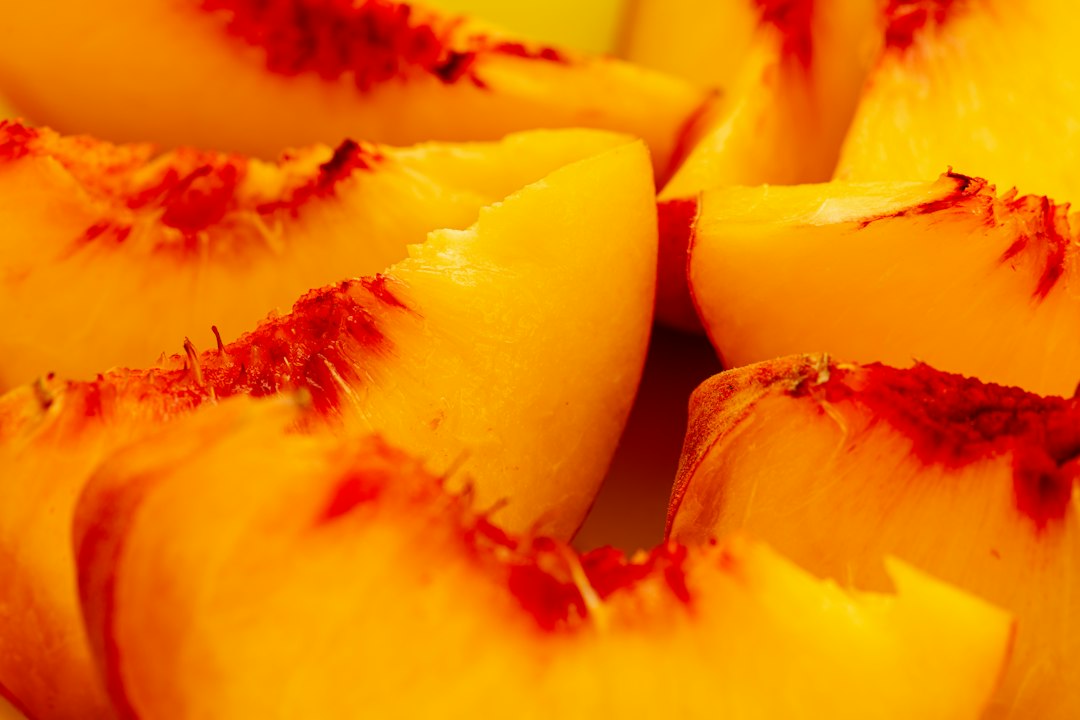
Although this recipe is incredibly flexible, selecting quality peaches will make an enormous difference in the finished dessert. Fresh peaches are naturally the first choice during the summer months when they are perfectly ripe and bursting with sweetness. A ripe peach should feel slightly soft when gently squeezed, have a pleasant fragrance near the stem, and display vibrant yellow or orange coloring beneath any remaining blush. Fresh peaches hold their shape well while baking, giving the cobbler attractive slices of fruit suspended in a thick, sweet syrup.
If peaches are not in season, there is absolutely nothing wrong with using frozen or canned peaches. Frozen peaches are picked at peak ripeness before being frozen, allowing them to retain much of their flavor throughout the year. Simply thaw them completely and drain away excess liquid before baking to prevent a watery filling. Canned peaches are another excellent option because they are already peeled and sliced, making preparation incredibly fast. If the peaches are packed in heavy syrup, consider reducing the sugar slightly since the syrup already contributes additional sweetness. Peaches packed in juice generally require no adjustments and work beautifully in this recipe.
Ingredients
Peach Filling
- 6 to 8 fresh peaches, peeled and sliced, or approximately 5 cups sliced peaches
- ¾ cup granulated sugar
- ¼ cup light brown sugar
- 1 tablespoon fresh lemon juice
- 1 teaspoon vanilla extract
- 1 teaspoon ground cinnamon
- ¼ teaspoon ground nutmeg
- 2 teaspoons cornstarch
Cobbler Topping
- 2 cups self rising flour
- 1 cup granulated sugar
- 1 cup whole milk
- ½ cup unsalted butter, melted
- 1 teaspoon vanilla extract
- Optional: ½ teaspoon cinnamon
Preparing the Peaches
If you are working with fresh peaches, peeling them is surprisingly easy and only takes a few minutes. Bring a large pot of water to a boil while preparing a bowl filled with ice water. Lightly score a small “X” into the bottom of each peach before lowering them into the boiling water for about thirty seconds. Immediately transfer the peaches into the ice bath to stop the cooking process. Once cooled, the skins should slide off effortlessly using nothing more than your fingers. Slice each peach into evenly sized wedges so they cook at the same rate, then combine them with the sugar, brown sugar, lemon juice, vanilla, cinnamon, nutmeg, and cornstarch. Allow the mixture to rest for about ten minutes so the peaches begin releasing their natural juices, which will combine with the sugar to create the delicious syrup that forms during baking.
Making the Cobbler Batter
Preheat your oven to 350°F while preparing the batter. Pour the melted butter into the bottom of a 9×13-inch baking dish, making sure it coats the entire surface. In a separate mixing bowl, whisk together the self rising flour and sugar before gradually adding the milk and vanilla extract. Stir only until the ingredients are fully combined. It is important not to overmix because excessive stirring develops gluten, which can make the topping tougher than desired. A few small lumps remaining in the batter are perfectly normal and will disappear as the cobbler bakes.
Once the batter is mixed, carefully pour it over the melted butter without stirring. Spoon the prepared peaches evenly across the surface of the batter, including all of the flavorful juices that have accumulated in the bowl. Resist the temptation to stir the ingredients together. While it may seem unusual, this layering technique is exactly what creates the classic cobbler appearance. As the dessert bakes, the batter naturally rises around the fruit while the butter creates crisp golden edges and the peaches sink slightly into the soft cake-like topping.
Baking the Peach Cobbler
Place the baking dish into the preheated oven and bake for approximately forty-five to fifty-five minutes. During the baking process, your kitchen will gradually fill with the unmistakable aroma of caramelizing peaches, butter, cinnamon, and vanilla. Near the end of the baking time, the top should become deeply golden with bubbling fruit juices visible around the edges of the pan. A toothpick inserted into the thickest portion of the topping should come out mostly clean with only a few moist crumbs attached.
Although it may be tempting to serve the cobbler immediately, allowing it to cool for at least fifteen to twenty minutes greatly improves both its texture and flavor. As the dessert rests, the fruit juices continue to thicken while the topping finishes setting, making each serving easier to scoop and considerably less runny.
Tips for Making the Best Peach Cobbler with Self Rising Flour
One of the easiest ways to improve your cobbler is to use ripe peaches whenever possible, since naturally sweet fruit requires less added sugar and develops a richer flavor during baking. Measuring your self rising flour correctly is equally important because packing too much flour into the measuring cup can create a dry, dense topping. Instead, gently spoon the flour into the measuring cup before leveling it with the back of a knife. Real butter should always be used rather than margarine because butter contributes both flavor and the crisp golden edges that make homemade cobbler so irresistible. Finally, avoid overbaking the dessert. Once the top is richly browned and the filling is bubbling, the cobbler is finished, and additional baking can dry out the tender topping.
Delicious Ways to Customize Your Cobbler
One of the reasons peach cobbler remains such a timeless dessert is its versatility. A handful of fresh blueberries or blackberries can be mixed with the peaches to create additional color and complexity without changing the basic recipe. Almond extract may be substituted for part of the vanilla to provide a subtle nutty flavor that pairs beautifully with peaches, while a sprinkle of coarse sugar across the top before baking creates a delicate crunchy crust. Chopped pecans or walnuts can also be scattered over the batter to introduce additional texture, making each bite even more satisfying.
Storing and Reheating Leftovers
If you happen to have leftovers, allow the cobbler to cool completely before covering the baking dish with plastic wrap or transferring individual portions to an airtight container. The cobbler will remain fresh in the refrigerator for up to four days. To reheat, place individual servings in the microwave for about thirty seconds, or warm the entire baking dish in a 350°F oven for fifteen to twenty minutes until heated through. Peach cobbler also freezes surprisingly well. Wrap the cooled dish tightly with plastic wrap and aluminum foil before freezing for up to three months. Thaw overnight in the refrigerator before reheating for the best texture.
Frequently Asked Questions
Can I make peach cobbler with canned peaches? Absolutely. Canned peaches are convenient, inexpensive, and available year-round. Simply drain them well before using, and reduce the sugar slightly if they are packed in heavy syrup.
Can I substitute all-purpose flour? Yes, but you will need to create a homemade self rising flour by adding 1½ teaspoons of baking powder and ¼ teaspoon of salt for every cup of all-purpose flour.
Should peaches be peeled? Peeling is recommended for the smoothest filling, although leaving the skins on creates a more rustic dessert and does not significantly affect the flavor.
Why didn’t my cobbler rise? Expired self rising flour, overmixed batter, or stirring the butter, batter, and peaches together before baking are the most common reasons a cobbler fails to rise properly.
Conclusion
Making peach cobbler with self rising flour is one of the easiest ways to enjoy a warm, homemade dessert that tastes like it came straight from a Southern family kitchen. The combination of ripe peaches, warm spices, rich butter, and a fluffy golden topping creates a dessert that is comforting, flavorful, and remarkably simple to prepare. Because self rising flour eliminates the need for extra leavening ingredients, even novice bakers can confidently create a cobbler with excellent texture and dependable results. Whether you choose fresh peaches during the height of summer, frozen peaches in the middle of winter, or canned peaches for maximum convenience, this recipe delivers delicious results every time. Serve it warm with a scoop of vanilla ice cream or a dollop of freshly whipped cream, and you’ll have a timeless dessert that family and friends will request again and again.