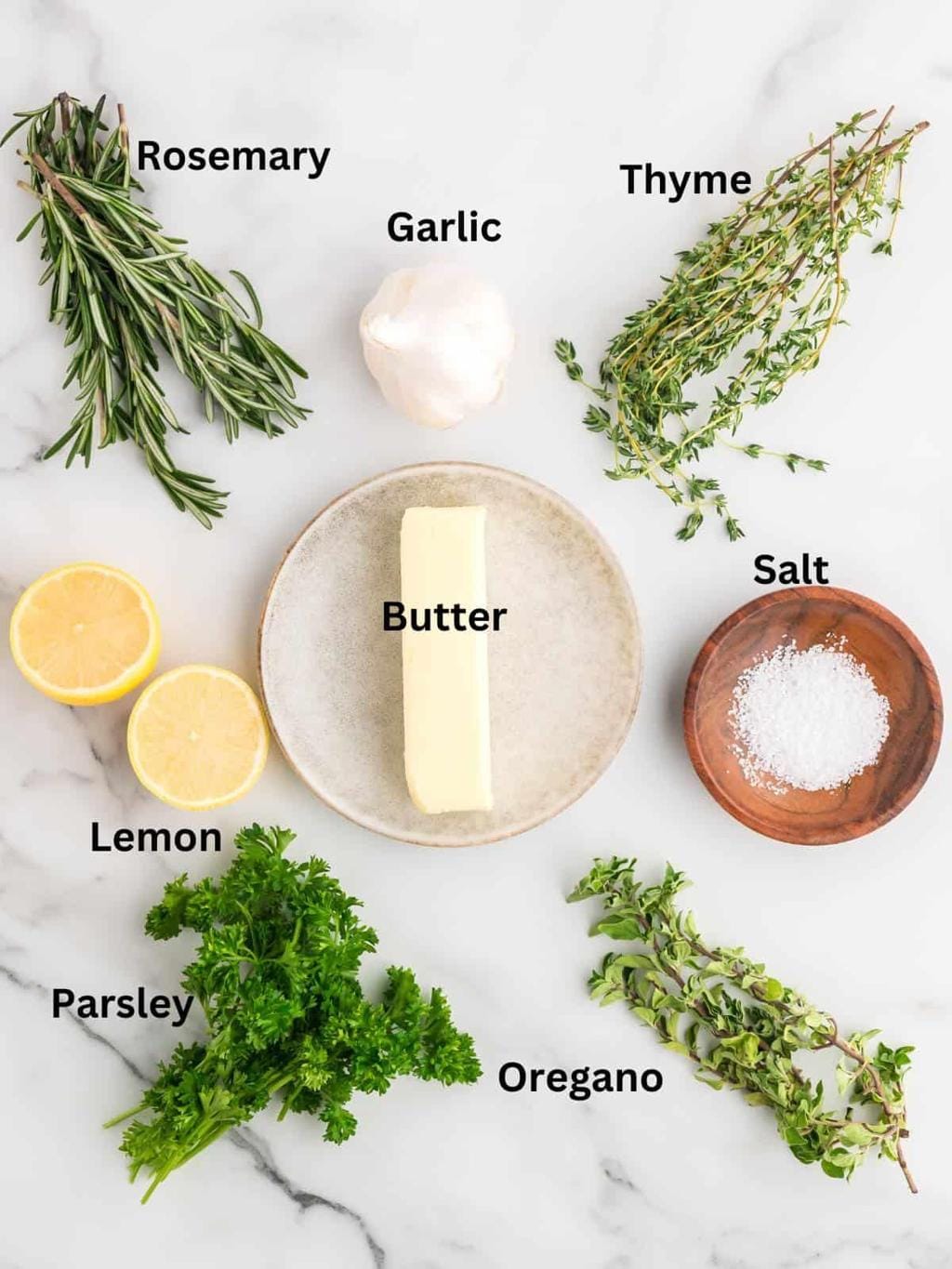
This homemade garlic butter sauce for steak uses 1/2 cup unsalted butter, 4 garlic cloves, parsley, black pepper and optional Worcestershire sauce. It makes about 1/2 cup—enough for four steaks at roughly 2 tablespoons each—and takes about 10 minutes. Make it separately for the easiest portion control, or use the smaller basting variation near the end of skillet cooking.
Warm sauce: ½ cup · four servings · about 10 minutes
Cook the steak to a measured safe endpoint independently of the sauce. USDA guidance lists 145°F in the thickest part of a whole beef steak followed by a 3-minute rest. Our steak temperature and thermometer guide explains where to measure and when to start resting. Warm butter poured over the surface does not make an undercooked center safe.
Choose the method that fits your steak
| Method | Best use | Main tradeoff |
|---|---|---|
| Warm finishing sauce | Grilled, broiled or pan-seared steaks | Easiest to portion; does not help build pan flavor |
| Late-stage skillet baste | One or two pan-seared steaks | Coats the steak with pan aromatics; needs close heat control |
| Compound butter | Make-ahead serving or individual portions | Convenient and sliceable; not a pourable sauce |
If you are cooking shrimp or fish instead, use the dedicated butter garlic sauce for shrimp and fish. This page stays focused on steak.
Homemade garlic butter sauce: warm finishing method
Yield and timing
- Yield: about 1/2 cup, or four 2-tablespoon servings
- Prep time: about 5 minutes
- Cook time: about 5 minutes
- Equipment: small saucepan, spoon or whisk, knife and cutting board
Ingredients
- 1/2 cup (8 tablespoons; 113 g) unsalted butter
- 4 medium garlic cloves, finely minced
- 1 tablespoon finely chopped fresh parsley
- 1/4 teaspoon freshly ground black pepper
- 1 teaspoon Worcestershire sauce, optional
- Fine salt, only after tasting
Unsalted butter leaves room for the steak’s seasoning and optional Worcestershire sauce. Four finely minced cloves give a distinct garlic flavor without turning this into raw garlic paste. Parsley adds a fresh finish; rosemary or thyme can replace part of it, but use the bounded amounts below so the herbs do not dominate the beef.
Method
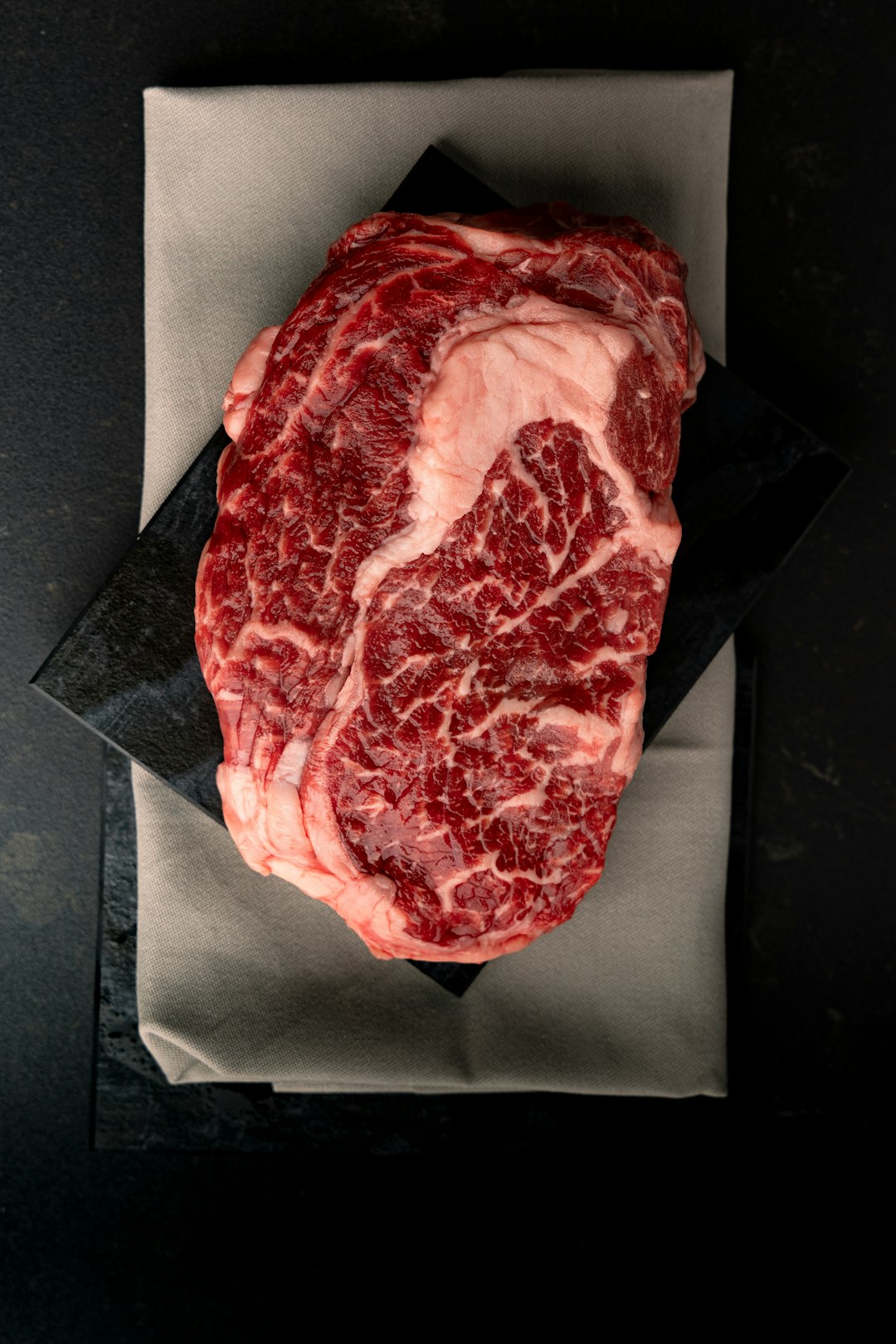
- Prepare the steak separately. Use the cooking method and thermometer checks appropriate for its cut and thickness. If needed, review how to prepare a ribeye for cooking.
- Melt the butter gently. Put the butter in a small saucepan over low heat. Let it melt without bubbling hard or browning.
- Soften the garlic. Add the minced garlic and stir for 1 to 2 minutes. It should smell fragrant and remain pale. If it starts coloring quickly, remove the pan from the burner and lower the heat before continuing.
- Finish off heat. Remove the pan from the heat. Stir in parsley, black pepper and the optional Worcestershire sauce.
- Taste before salting. Taste with a small piece of cooked steak if possible. Add salt only if the seasoned steak and Worcestershire have not already supplied enough.
- Portion after the rest. After the steak reaches its endpoint and completes its rest, spoon about 2 tablespoons over each steak. Serve promptly.
Late-stage skillet basting variation
Butter and minced garlic can burn during the high-heat sear. Brown the steak with a suitable high-heat cooking fat first, then lower the heat before adding the basting ingredients.
For one or two steaks
- 2 tablespoons unsalted butter
- 1 garlic clove, lightly crushed
- 1 small sprig fresh thyme or rosemary, optional
- After the steak has developed its crust, reduce the burner to medium-low. If the skillet is smoking heavily, move it off the heat briefly before adding butter.
- Add the butter, crushed garlic and optional herb. When the butter foams, tilt the skillet carefully and spoon the butter over the steak for up to about 1 minute. Stop sooner if the milk solids or garlic begin to darken.
- Keep checking the center with a thermometer; basting time is not a doneness test. Transfer the steak to a clean plate when it reaches the chosen validated endpoint, then complete the required rest.
- Do not store used pan butter as a separate sauce. It has shared the pan with the meat and should be served with that meal or discarded.
Make-ahead compound butter
Compound butter gives the same garlic-herb direction without making a warm sauce at serving time. It also makes the portion visible: one tablespoon per steak is usually enough to start.
Ingredients
- 4 tablespoons (57 g) unsalted butter, softened but not melted
- 1 small garlic clove, finely grated or minced
- 2 teaspoons finely chopped parsley
- 1/8 teaspoon black pepper
- 1/2 teaspoon Worcestershire sauce, optional
- Mix the softened butter with the garlic, parsley, pepper and optional Worcestershire until evenly combined.
- Spoon the mixture onto parchment paper, shape it into a short log and wrap it tightly.
- Refrigerate until firm, then cut into four 1-tablespoon portions.
- Place one portion on each hot, rested steak. Add more only after tasting.
Steak-specific herb and seasoning limits
- Rosemary: add up to 1/2 teaspoon finely chopped fresh rosemary to the full warm-sauce batch. Its flavor is strong, so do not replace the full tablespoon of parsley with rosemary.
- Thyme: use up to 1 teaspoon fresh thyme leaves in the full batch.
- Worcestershire: keep it to 1 teaspoon per 1/2 cup butter. Taste before adding salt because brands vary in sodium.
- Red pepper: add a pinch for heat. Avoid loading the sauce with Cajun seasoning or unrelated all-purpose variations that compete with the steak’s seasoning.
Troubleshooting
The garlic tastes bitter
The garlic probably browned or burned. Dark garlic will not become mild again. Start over with low heat and add the garlic only after the butter has melted gently.
The sauce looks greasy or separated
Butter naturally contains fat, water and milk solids, so a warm sauce may separate slightly. Remove it from the heat and whisk. If needed, whisk in 1 teaspoon warm water. This changes the texture, not the flavor, and is most useful for the finishing-sauce version.
The sauce is too salty
Do not add more Worcestershire or salted butter. Dilute it with additional unsalted butter, one tablespoon at a time. Next time, taste the sauce together with the seasoned steak before adding salt.
The sauce overwhelmed the steak
Start with 1 tablespoon per steak and add more at the table. A heavily marbled ribeye may need less sauce than a lean sirloin.
Storage and cross-contact
Keep untouched finishing sauce separate from raw meat, raw-meat utensils and used basting brushes. Refrigerate the clean sauce or compound butter in a covered container within 2 hours, or within 1 hour when the surrounding temperature is above 90°F. Keep the refrigerator at 40°F or below and use within 3 days.
For refrigerated leftovers, reheat only the portion needed, stirring frequently. USDA advises bringing sauces to a rolling boil when reheating; the butter may separate. Freshly made sauce gives the smoothest finish. Discard sauce contaminated by raw-meat utensils rather than returning it to the stored batch.
For cooked-steak leftovers, follow the separate steak reheating guide, which covers refrigerated storage and the 165°F leftover-reheating endpoint.
Food-safety sources
- FDA: Safe Food Handling — clean separation, prompt refrigeration, 40°F cold holding, 145°F plus a 3-minute rest for whole beef steaks, and 165°F for leftovers.
Reheating source: USDA leftovers and food safety.
For a deeper, wine-based pan sauce, see red wine reduction sauce for steak.