Pan fried frog legs with garlic butter start with a thin seasoned-flour coating and finish with a separate lemon-garlic sauce. Dry the meat well, leave space in the skillet, and use a thermometer to check the center.
- Serves
- About 4
- Prep
- 15 minutes
- Frying
- 8–10 minutes per batch
- Equipment
- Heavy skillet, tongs, thermometer
The recipe uses 2 pounds of bone-in frog legs. Total time depends on how many batches fit in your skillet; the sauce takes a few more minutes. Choose food-grade legs from a reputable supplier and thaw frozen packages in the refrigerator. Keep them chilled until you are ready to coat them.

Ingredients for pan fried frog legs with garlic butter
Legs and coating
- 2 pounds frog legs
- 1 cup all-purpose flour
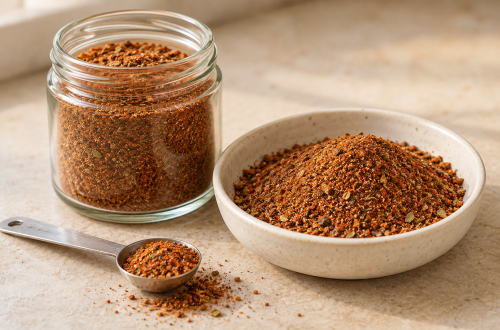
- 1 teaspoon each salt, black pepper, and paprika
- ½ teaspoon each garlic powder and onion powder
- ¼ teaspoon cayenne pepper, optional
- 3 tablespoons vegetable oil
- 2 tablespoons butter, for frying
Garlic butter sauce
- 4 tablespoons butter, separate from the frying butter
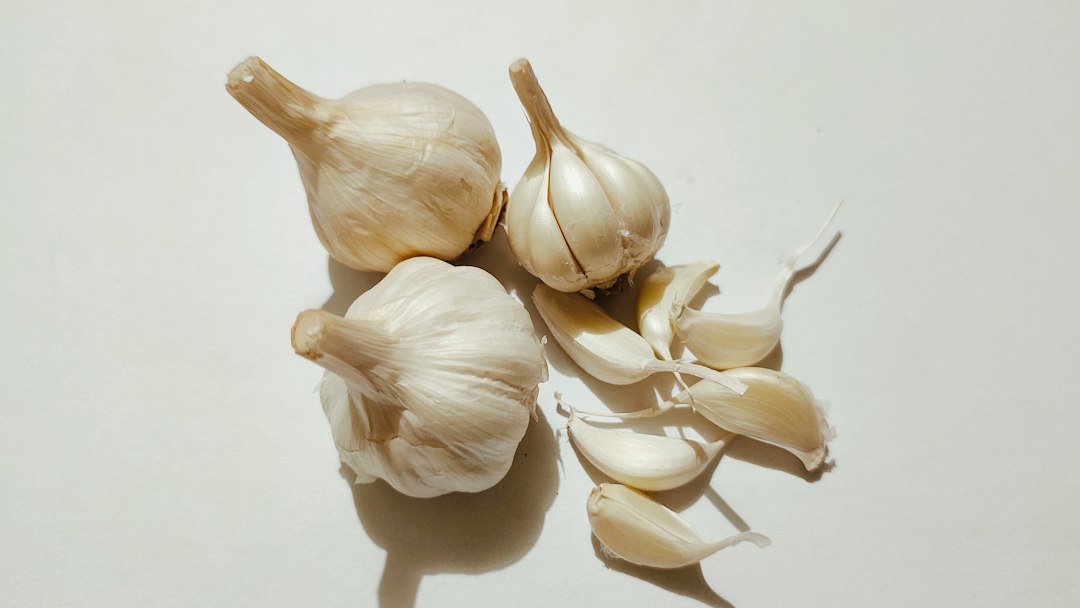
- 5 garlic cloves, minced
- 1 tablespoon chopped fresh parsley
- 1 teaspoon lemon juice
- ½ teaspoon black pepper
- Pinch of salt
Fry in batches, then make the sauce
- Dry and coat. Pat the legs dry with paper towels without rinsing or splashing raw juices. Mix the flour, salt, pepper, paprika, garlic powder, onion powder, and optional cayenne in a shallow bowl. Dredge lightly and shake off excess. Discard flour that has touched the raw meat.
- Heat the skillet. Warm the vegetable oil and 2 tablespoons butter over medium-high heat until the butter melts and foams. Reduce the heat if the butter darkens before the meat goes in.
- Pan-fry. Lay the legs in a single uncrowded layer. Start with 4–5 minutes per side, adjusting heat to keep the coating golden rather than scorched. Size and pan temperature change the timing.
- Check the meat. Insert an instant-read thermometer into the thickest part away from bone. Reach at least 145°F (63°C) for 15 seconds, then transfer to a clean plate. Do not use crust color as the safety test.
- Make the sauce. In a clean small skillet, melt the remaining 4 tablespoons butter over medium-low heat. Stir in the minced garlic for about 1 minute, until fragrant but not browned. Remove from heat; add parsley, lemon juice, pepper, and the pinch of salt.
- Finish. Spoon the sauce over the legs for the crispest coating, or turn them gently once or twice in the sauce off the heat. Serve promptly.
The FDA Food Code includes frog within its fish definition and gives 145°F for 15 seconds for this cooking category. Check several pieces when sizes vary.
Keep the crust crisp and the garlic mild
| What you notice | What to change |
|---|---|
| Flour coating slides off | Pat the meat dry and shake off loose flour before frying. Turn gently after the first side has set. |
| Legs steam instead of brown | Cook fewer at once. Give the pan time to regain heat between batches. |
| Dark specks or bitter sauce | Use a clean sauce pan; scorched flour and butter will flavor the sauce. |
| Garlic browns immediately | Lower the heat and add fresh garlic to gently melted butter. Make the sauce off the main frying heat. |
Serve and store
Serve with rice, a crisp salad, or browned roasted broccoli. For a different texture, vegetable glass noodles make a separate noodle side; keep their sesame-soy sauce separate from the lemon butter.
Refrigerate leftovers in shallow containers within 2 hours, or 1 hour above 90°F, at 40°F or below. Use within 3 days. Reheat in a skillet or oven until the meat reaches 165°F; the coating will soften somewhat. See USDA leftover handling guidance.