Chicken drumsticks and butternut squash both suit a hot oven, but they need enough space and separate checks. These sheet pan chicken drumsticks with butternut squash use two shallow pans: one for the chicken and one for squash cubes and onion. The vegetables can finish when tender, while the chicken stays in the oven until a thermometer confirms it is safely cooked.
The flavor is savory rather than sugary, with smoked paprika, garlic, and thyme. Butternut squash supplies its own sweetness. A little lemon juice after cooking brightens the plate without coating the chicken in a glaze that could darken before the meat is done.
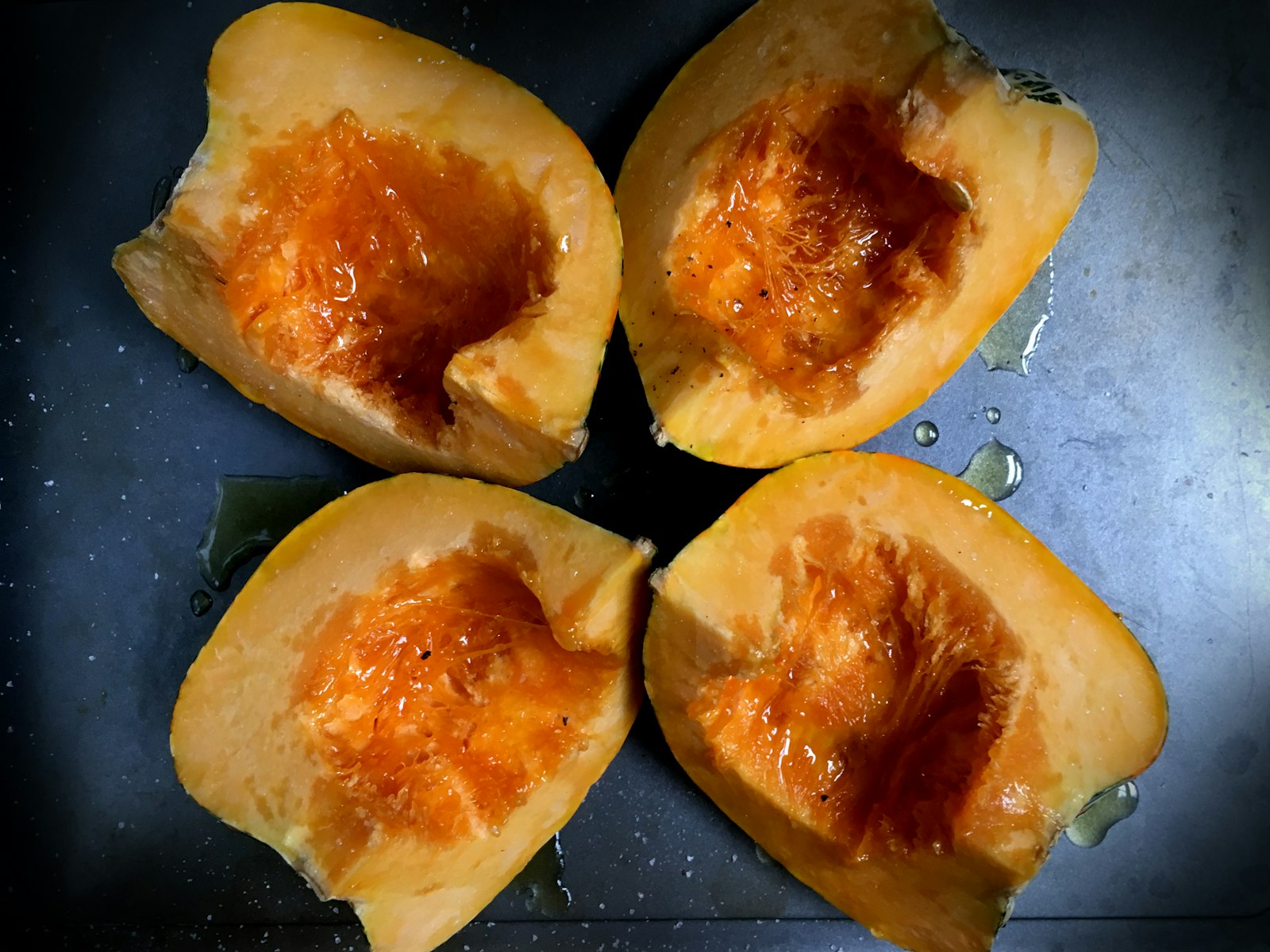
Match squash size to drumstick cooking time
Cut evenly
Small, consistent squash cubes roast through while the chicken cooks; oversized pieces may remain firm.
Leave space
Arrange drumsticks and squash in one layer so moisture escapes and the chicken skin can brown.
Check separately
Test the thickest drumstick and largest squash piece. Remove either component if it finishes first.
Turn the vegetables with a clean utensil and avoid crowding them under the chicken, where rendered juices can prevent browning. Rest the drumsticks briefly before serving.
Dinner plan and equipment
Affiliate disclosure: As an Amazon Associate I earn from qualifying purchases. Paid links open Amazon search results.
Yield: 4 servings, approximately 2 small drumsticks per person. Prep: 20 minutes. Cook: 40–50 minutes. Rest: 5 minutes. Total: about 75 minutes. Oven: 425°F / 220°C. Use two 18-by-13-inch rimmed metal sheets (paid link), a vegetable peeler, a large knife, tongs, a thin spatula, and an instant-read thermometer (paid link).
Drumsticks vary widely in weight. The stated batch uses about 2 pounds of small to medium pieces, roughly eight. Larger drumsticks need more cooking time, and a package containing mixed sizes should be checked piece by piece. Do not increase the oven time for all the vegetables simply because one large drumstick needs longer.
Ingredients
- 2 pounds skin-on chicken drumsticks, thawed, approximately 8 small to medium pieces
- 1½ pounds peeled and seeded butternut squash, cut into 1-inch cubes
- 1 medium red onion, cut into thick wedges
- 3 tablespoons olive oil, divided
- 1 teaspoon fine salt, divided
- 1 teaspoon smoked paprika
- 1 teaspoon garlic powder, divided
- 1 teaspoon dried thyme, divided
- ½ teaspoon black pepper, divided
- 1 teaspoon finely grated lemon zest
- 1 tablespoon lemon juice, plus wedges for serving
- 2 tablespoons chopped parsley, optional
The squash weight is measured after removing skin and seeds. If buying a whole squash, allow for trimming loss rather than assuming the label weight equals the edible quantity. Pre-cut fresh squash saves work; check its cube size and trim unusually large pieces before roasting.
Smoked paprika adds depth without requiring a sweet barbecue sauce. Garlic powder avoids small fresh garlic pieces scorching on the exposed chicken skin. Thyme seasons both pans, tying the meal together. Lemon is added after roasting so its juice does not wet the chicken skin during browning.
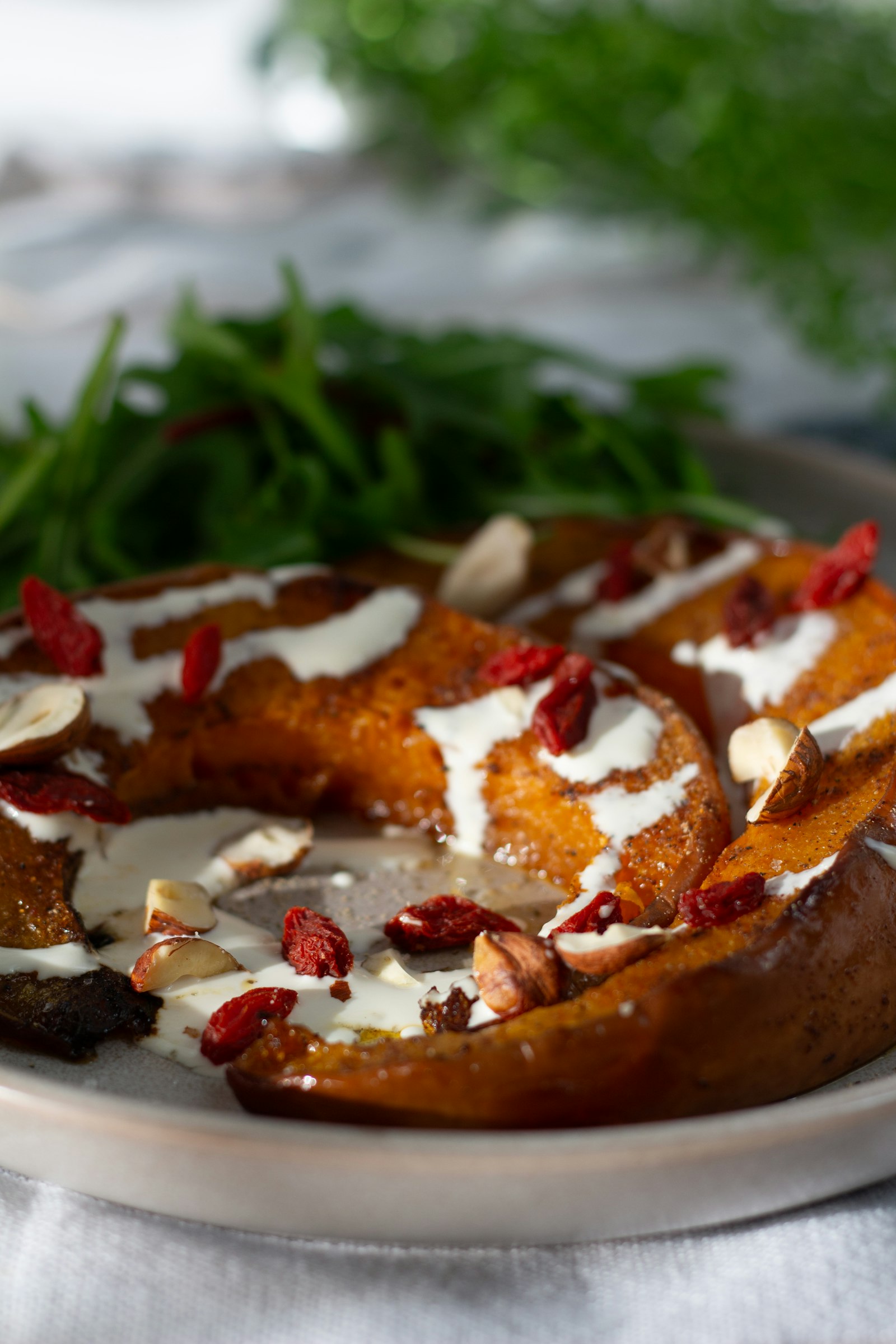
Step-by-step cooking guide
- Heat the oven and prepare the pans. Position racks in the upper and lower thirds and heat to 425°F. Lightly oil both sheets using a little of the measured oil. Keep separate utensils available for raw chicken and for finished vegetables.
- Season the drumsticks. Pat the chicken dry without rinsing it. Toss with 1½ tablespoons oil, ½ teaspoon salt, smoked paprika, ½ teaspoon garlic powder, ½ teaspoon thyme, and ¼ teaspoon pepper. Rub seasoning over the skin and around the thick meat end.
- Arrange the chicken. Put drumsticks on one sheet with space between them. Keep the thicker ends from crowding together by alternating their direction. Set the chicken sheet on the lower rack so it cannot drip onto the vegetables if a rim or utensil spills.
- Prepare the squash pan. Toss squash and onion with the remaining oil, salt, garlic powder, thyme, and pepper. Spread on the second sheet in one layer. Place it on the upper rack and roast both pans for 20 minutes.
- Turn and rotate. Turn the drumsticks with the raw-poultry tongs, then set those tongs aside for washing. Turn squash with a separate clean spatula. Rotate both sheets front to back. Continue roasting, keeping the chicken below the vegetable pan.
- Check the squash first. After approximately 30–35 total minutes, pierce a large cube with a small knife. It should be tender through the center, with some browned surfaces. Remove the squash when ready, usually around 30–40 minutes, and keep it at 140°F or above while the chicken finishes.
- Verify every chicken portion. Begin checking drumsticks around 35 minutes. Insert the thermometer into the thickest flesh without touching bone. Each piece must reach at least 165°F / 74°C. Continue underdone pieces in 5-minute intervals; many small to medium drumsticks take roughly 40–50 minutes, but size and oven behavior vary.
- Rest and finish. Move cooked chicken to a clean platter and let stand for 5 minutes. Toss the squash with lemon zest, lemon juice, and optional parsley. Serve two drumsticks with a share of vegetables, adding lemon wedges separately. Use clean serving tools.
Getting sheet pan chicken drumsticks with butternut squash cooked evenly
Two pans make it possible to remove the squash at its best texture without handling food coated in raw chicken juices. They also provide enough surface for browning. A full 3½ pounds of chicken and squash crowded on one standard sheet would release more liquid into a smaller area and cook differently.
Drumsticks have irregular shapes, so place the thermometer carefully. Touching bone can distort the reading. Check more than one point in a large piece and inspect several pieces from different areas of the pan. The FoodSafety.gov temperature chart lists 165°F as the safe minimum for all poultry.
Dark meat can become more tender with additional cooking beyond the safe minimum, but do not chase an arbitrary higher number at the expense of dried-out small pieces. The main requirement here is a verified safe temperature, followed by a texture you enjoy. Check early and remove individual pieces when appropriate.
When the timing differs from the estimate
| What finishes first? | What to do |
|---|---|
| Squash | Remove its separate pan and hold safely hot while the chicken finishes. |
| Small drumsticks | Move them to a clean platter and continue the larger pieces. |
| Onion wedges | Lift out dark, tender wedges before the remaining squash becomes overcooked. |
| Chicken skin browns early | Shield the darkest portions loosely with foil while the center reaches 165°F. |
If the squash becomes soft before it browns, it may be crowded or cut too small. Move pieces apart and avoid excessive turning, which can break tender cubes. It is still suitable to eat when tender and safely handled; browning is a texture and flavor preference, not a safety requirement.
Ingredient changes and their limits
Sweet potato cubes can replace butternut squash, but they may need longer to become tender. Keep the cubes approximately 1 inch and use the knife check. Frozen squash often releases more water and breaks apart more easily, so roast it separately according to its package directions and expect a softer result.
Bone-in chicken thighs can replace drumsticks by weight, with the same 165°F minimum, but their thickness and skin coverage change the cooking behavior. Boneless thighs usually finish sooner and are better handled with an adjusted schedule. Frozen raw chicken does not follow this recipe’s timing; thaw it safely in the refrigerator first.
For a milder flavor, use sweet paprika instead of smoked paprika. For more heat, offer a hot sauce at the table. A sweet bottled glaze can be added sparingly near the end only if you watch it closely, but the basic version intentionally relies on dry seasoning and the squash’s own sweetness.
Serving the meal
The chicken and squash make a substantial plate. Add a green salad, steamed green beans, or a small serving of rice if desired. A simple yogurt sauce with lemon and chopped herbs provides a cool contrast; keep it separate from the hot pan until serving.
For another seasonal chicken dinner, see sheet pan maple Dijon chicken thighs with apples and Brussels sprouts. It uses a different cut and flavor profile, so follow its separate ingredient and timing instructions.
Preparation ahead and leftovers
Peel and cube the squash a day ahead and refrigerate it covered. Mix the dry seasonings ahead as well. Keep chicken refrigerated until you are ready to season and cook, using separate preparation surfaces or thoroughly cleaning between raw poultry and vegetables.
Refrigerate leftovers in shallow containers within 2 hours, or within 1 hour above 90°F. Store at 40°F or below for 3–4 days according to USDA leftover guidance. Reheat to 165°F. Cover the chicken during initial reheating to protect it, then uncover briefly if you want the skin drier. Squash may soften further after refrigeration.
Frequently Asked Questions
Can everything go on one sheet?
Use two for the stated quantity. One crowded sheet changes both browning and timing. For a half batch, one sheet may provide enough space. If vegetables contact raw chicken juices, keep them on the pan until both the chicken and the vegetables in those contact areas reach 165°F; do not remove those vegetables early.
How do I know the squash is ready?
A small knife should pass through the largest cube without a hard center. Browned corners alone do not tell you whether the inside is tender. Check near the earlier time range and remove the separate vegetable pan when ready.
Do I remove the skin from the drumsticks?
The recipe is designed for skin-on drumsticks. Removing the skin changes moisture loss and browning. Skinless pieces may need a little more attention to prevent drying and still must reach 165°F.
Can I use pre-cut squash?
Yes, if it is fresh and safely stored. Check the package quantity and cut large pieces down to approximately 1 inch. Very small cubes should be checked earlier because they can soften quickly.
What if the thermometer touches bone?
Move it slightly and take another reading in the thickest flesh. Check more than one location if needed. A reading influenced by bone should not be your only doneness check.
What helps the two pans finish smoothly?
For sheet pan chicken drumsticks with butternut squash, cut the squash consistently and start checking it before the chicken’s upper time estimate. Separate pans let you manage each ingredient according to its actual doneness.
Sheet Pan Chicken Drumsticks with Butternut Squash
Ingredients
Equipment
Method
- Heat the oven and prepare the pans. Position racks in the upper and lower thirds and heat to 425°F. Lightly oil both sheets using a little of the measured oil. Keep separate utensils available for raw chicken and for finished vegetables.
- Season the drumsticks. Pat the chicken dry without rinsing it. Toss with 1½ tablespoons oil, ½ teaspoon salt, smoked paprika, ½ teaspoon garlic powder, ½ teaspoon thyme, and ¼ teaspoon pepper. Rub seasoning over the skin and around the thick meat end.
- Arrange the chicken. Put drumsticks on one sheet with space between them. Keep the thicker ends from crowding together by alternating their direction. Set the chicken sheet on the lower rack so it cannot drip onto the vegetables if a rim or utensil spills.
- Prepare the squash pan. Toss squash and onion with the remaining oil, salt, garlic powder, thyme, and pepper. Spread on the second sheet in one layer. Place it on the upper rack and roast both pans for 20 minutes.
- Turn and rotate. Turn the drumsticks with the raw-poultry tongs, then set those tongs aside for washing. Turn squash with a separate clean spatula. Rotate both sheets front to back. Continue roasting, keeping the chicken below the vegetable pan.
- Check the squash first. After approximately 30–35 total minutes, pierce a large cube with a small knife. It should be tender through the center, with some browned surfaces. Remove the squash when ready, usually around 30–40 minutes, and keep it at 140°F or above while the chicken finishes.
- Verify every chicken portion. Begin checking drumsticks around 35 minutes. Insert the thermometer into the thickest flesh without touching bone. Each piece must reach at least 165°F / 74°C. Continue underdone pieces in 5-minute intervals; many small to medium drumsticks take roughly 40–50 minutes, but size and oven behavior vary.
- Rest and finish. Move cooked chicken to a clean platter and let stand for 5 minutes. Toss the squash with lemon zest, lemon juice, and optional parsley. Serve two drumsticks with a share of vegetables, adding lemon wedges separately. Use clean serving tools.
Notes
| What finishes first? | What to do |
|---|---|
| Squash | Remove its separate pan and hold safely hot while the chicken finishes. |
| Small drumsticks | Move them to a clean platter and continue the larger pieces. |
| Onion wedges | Lift out dark, tender wedges before the remaining squash becomes overcooked. |
| Chicken skin browns early | Shield the darkest portions loosely with foil while the center reaches 165°F. |