
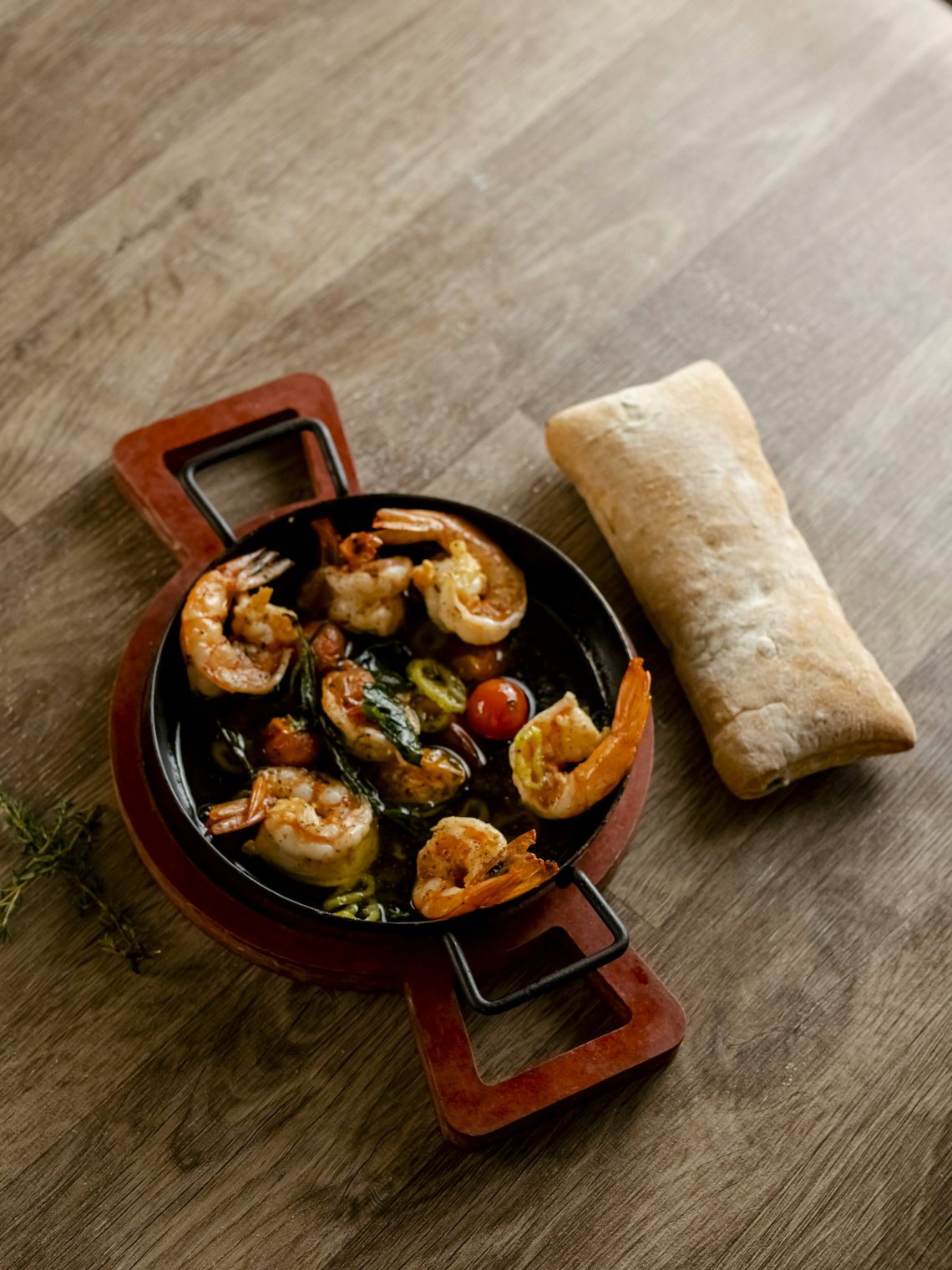
Quick Recipe Overview
Smoked sausage, the onion-pepper-celery “trinity”, garlic and spices build the base. Then 1½ cups long-grain white rice simmers covered in a can of diced tomatoes and 2 cups broth for 18–22 minutes. One pound of shrimp gets tucked in for the last 4–6 minutes, so it stays tender. Serves 6.
Best method: keep the lid on while the rice cooks, and add the shrimp only once the rice is nearly tender.
| Prep | 20 min | Cook | 45 min |
|---|---|---|---|
| Total | About 65 min | Serves | 6 |
| Pot | Wide, heavy, tight lid | Shrimp done | Pearly, opaque, firm |
Shrimp and sausage jambalaya is a one-pot rice dinner for 6. Browned smoked sausage and softened onion, bell pepper and celery flavor 1½ cups of long-grain rice as it cooks in tomatoes and broth. A pound of shrimp goes in at the end so it doesn’t turn rubbery. Plan on about an hour, mostly hands-off simmering.
This is a tomato-based (“red”) jambalaya with mild heat you control with cayenne. It’s a good fit for family dinners and for cooks who’ve had trouble with gummy rice or tough shrimp, because the method handles both problems.
Equipment
- Wide, heavy pot or Dutch oven (5–6 quart) with a tight lid: a wide base cooks the rice evenly; a tight lid keeps the steam in.
- Wooden spoon or flat spatula for browning and scraping up the browned bits.
- Fine-mesh strainer for rinsing the rice.
- Cutting board and chef’s knife for the vegetables and sausage.
- Instant-read thermometer (optional) for checking shrimp and leftovers.
Ingredients
| Ingredient | Amount | Why / swaps |
|---|---|---|
| Raw shrimp, 21–25 count | 1 lb, peeled, deveined, tails off | Large enough to stay juicy. Thaw frozen shrimp in the fridge or under cold running water. |
| Fully cooked smoked sausage | 8 oz, ¼-inch rounds | Andouille is traditional and spicier; kielbasa is milder. Use fully cooked sausage only (see notes). |
| Neutral oil | 1 tbsp | For browning. |
| Yellow onion, green bell pepper, celery | 1 medium, 1, 2 stalks, diced | The Cajun-Creole “holy trinity.” |
| Garlic | 3 cloves, minced | Added late so it doesn’t scorch. |
| Smoked paprika, dried thyme, dried oregano | 1 tsp, ½ tsp, ½ tsp | Smoky, herbal backbone. A salt-free Cajun blend can replace them. |
| Cayenne | ⅛ tsp, optional | Gentle heat; increase to taste. |
| Long-grain white rice | 1½ cups, rinsed and drained | The liquid and timing are set for long-grain white rice; brown or instant rice won’t work with them. |
| Diced tomatoes | 1 can (14–15 oz), with juices | Fire-roasted tomatoes add smokiness. |
| Low-sodium chicken broth | 2 cups | Low-sodium, because the sausage is already salty. |
| Fine salt | ¼ tsp, then adjust | Taste at the end. |
| Scallions and parsley | 2 sliced; 2 tbsp chopped | Fresh finish. |
Allergens: contains shellfish (shrimp). Smoked sausage may contain milk, soy, wheat or other allergens, and some broths contain celery or wheat, so check labels. The recipe is otherwise gluten-free if the sausage and broth are.
Why it works: rice first, shrimp last
Rice and shrimp cook at very different speeds. Long-grain rice needs about 20 minutes of covered, gentle steam, but large shrimp are done in 4–6 minutes. If they go in together, the shrimp turn tough and curl tightly long before the rice is ready. Laying the shrimp on top once the rice is nearly tender lets the trapped steam cook them gently.
Rinsing the rice removes surface starch that would make the pot gluey. Stirring it into the hot fat and spices for a minute coats each grain, which helps keep them separate. After the liquid goes in, stir only once. Repeated stirring releases starch and breaks grains, making a sticky, risotto-like texture.
Browning the sausage first leaves browned bits and smoky fat in the pot, and the vegetables cook in that fat. That’s where most of the flavor comes from.
Step-by-step method
- Brown the sausage (4–5 min). Heat the oil in the pot over medium heat and add the sausage rounds in a single layer. Cue: edges are browned and some fat has rendered.
- Soften the trinity (7–8 min). Add the onion, bell pepper and celery. Scrape up the browned bits as the vegetables release moisture. Cue: the onion is translucent and the pepper bends easily.
- Bloom the aromatics (30 sec). Stir in the garlic, paprika, thyme, oregano and cayenne. Cue: fragrant, with the garlic just softened, not browned.
- Toast the rice (1 min). Add the well-drained rice and stir to coat. Cue: the grains look glossy and a few turn slightly opaque at the edges.
- Add liquid and simmer (18–22 min). Pour in the tomatoes with their juices, the broth and the salt. Bring to a simmer, stir once, cover tightly and turn the heat to low. Don’t lift the lid for the first 15 minutes. Cue: most of the liquid is absorbed and the rice is nearly tender, with only a slight firm center.
- Adjust if needed. If the rice is still hard but the pot is dry, add ¼ cup hot water, cover and cook a few more minutes before adding the shrimp.
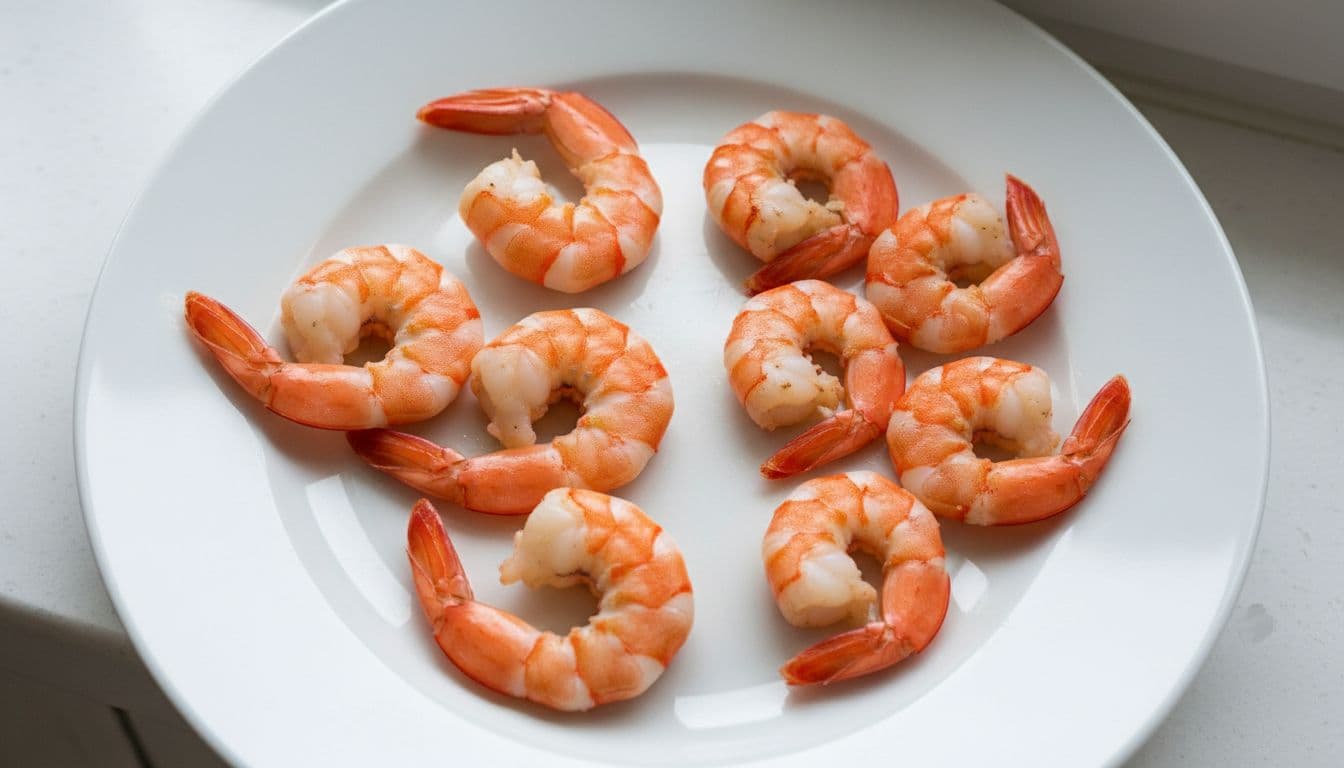
- Cook the shrimp (4–6 min). Lay the shrimp over the surface and tuck them gently into the hot rice. Cover. Cue: the shrimp are pink outside, pearly and opaque through the center, and firm, with a loose “C” curl.
- Rest and finish (5 min). Turn off the heat and rest, covered, for 5 minutes. Fold gently, add the scallions and parsley, and taste for salt and hot sauce. Cue: the grains are tender and separate, with no liquid pooling at the bottom.
Timeline tip: dice the vegetables and slice the sausage up to a day ahead and refrigerate them. Keep the shrimp refrigerated until the rice has about 5 minutes left.
Food safety
- FoodSafety.gov advises cooking shrimp until the flesh is pearly and opaque. The minimum for fish and shellfish is 145°F (safe minimum temperature chart).
- Use fully cooked smoked sausage. Raw sausage needs different handling: raw pork or beef sausage must reach 160°F, and poultry sausage 165°F.
- Thaw frozen shrimp in the refrigerator or in a sealed bag under cold running water, not on the counter.
- Cooked rice should be cooled and refrigerated within 2 hours. Spread it in shallow containers so it chills quickly. Reheat leftovers to 165°F (USDA FSIS leftovers guide).
Troubleshooting
| Problem | Likely cause | Fix |
|---|---|---|
| Rice is mushy or gummy | Not rinsed, stirred too much, or too much liquid | Rinse until the water runs mostly clear, stir once, and keep the lid on. |
| Rice still crunchy, pot dry | Lid not tight or heat too high | Add ¼ cup hot water, cover tightly and cook on low 5 more minutes. |
| Bottom scorched | Heat too high or thin pot | Use a heavy pot on the lowest heat. Don’t scrape up the burned layer; serve from the top. |
| Shrimp tough and tightly curled | Added too early or cooked too long | Add only for the last 4–6 minutes and check at 4. |
| Too salty | Salty sausage or regular broth | Use low-sodium broth and salt only at the end. Serve with a squeeze of lemon. |
| Bland | Not enough browning or seasoning | Brown the sausage well and finish with hot sauce, cayenne or more smoked paprika. |
What to serve with it
Jambalaya is a full meal, so a simple green salad, steamed green beans or crusty bread is all you need. If shrimp doneness worries you, our guide on how to know when shrimp are done walks through the visual cues. To swap in raw sausage, read sausage done temp first. For more on keeping cooked rice safe, see how long fried rice lasts in the fridge.
Make-ahead, storage and reheating
- Cool fast: spread leftovers in shallow containers and refrigerate within 2 hours.
- Fridge: eat within 3–4 days.
- Freezer: it freezes for about 2–3 months, though the shrimp get firmer and the rice softer. Thaw in the refrigerator.
- Reheat: add a splash of broth or water, cover, and warm in the microwave or a covered pot over low heat, stirring gently, until it reaches 165°F.
More detail: USDA FSIS leftovers and food safety.
Frequently asked questions
What’s the difference between jambalaya and gumbo?
Jambalaya is a rice dish where the rice cooks in the seasoned liquid. Gumbo is a stew, usually thickened with roux or okra, and served over rice cooked separately.
What’s the difference between Creole and Cajun jambalaya?
Creole (“red”) jambalaya includes tomatoes, like this recipe. Cajun (“brown”) jambalaya usually leaves them out and gets its color from deeply browned meat.
Can I use brown rice?
Not with this liquid and timing. Brown rice needs more liquid and roughly twice as long, which would mean changing the whole recipe.
Can I use frozen shrimp?
Yes. Thaw them first, in the fridge overnight or in a sealed bag under cold running water, and pat them dry before adding.
What sausage is best for jambalaya?
Andouille is traditional and smoky-spicy. Any fully cooked smoked sausage, such as kielbasa or smoked turkey sausage, works.
How spicy is this jambalaya?
Mild with ⅛ teaspoon cayenne. For more heat, use andouille, add cayenne with the spices, or pass hot sauce at the table.
Can I add chicken?
Yes. Brown bite-size boneless chicken thigh pieces after the sausage and set them aside, then return them with the liquid. Chicken must reach 165°F, and it will in the 18–22 minute simmer.
Recommended tools
- 6-quart enameled Dutch oven: heavy base and tight lid for even rice.
- Fine-mesh strainer: for rinsing rice.
- Flat-edge wooden spatula: scrapes up the browned bits.
- Instant-read thermometer: for reheating leftovers to 165°F.
As an Amazon Associate I earn from qualifying purchases.
The takeaway
Build flavor with browned sausage and the trinity, rinse and toast the rice, keep the lid on, and add the shrimp only at the end. You’ll get separate, tender grains and juicy shrimp in one pot.
Shrimp and Sausage Jambalaya
Yield: 6 servings · Prep: 20 min · Cook: 45 min · Total: about 65 min
Equipment
Wide heavy pot with tight lid, wooden spoon, strainer, instant-read thermometer (optional)
Ingredients
- 1 lb raw shrimp (21–25 count), peeled, deveined, tails removed
- 8 oz fully cooked smoked sausage, sliced into ¼-inch rounds
- 1 tbsp neutral oil
- 1 medium yellow onion, diced
- 1 green bell pepper, diced
- 2 celery stalks, diced
- 3 cloves garlic, minced
- 1 tsp smoked paprika
- ½ tsp dried thyme
- ½ tsp dried oregano
- ⅛ tsp cayenne pepper (optional)
- 1½ cups long-grain white rice, rinsed and drained well
- 1 can (14–15 oz) diced tomatoes, with juices
- 2 cups low-sodium chicken broth
- ¼ tsp fine salt, then adjust
- 2 scallions, thinly sliced
- 2 tbsp chopped parsley
Instructions
- Heat oil in a wide heavy pot over medium heat. Brown sausage 4–5 minutes. Add onion, bell pepper and celery; cook 7–8 minutes until softened.
- Add garlic, paprika, thyme, oregano and cayenne; stir 30 seconds. Add drained rice and stir 1 minute to coat.
- Add tomatoes with juices, broth and salt. Bring to a simmer, stir once, cover tightly and reduce heat to low. Cook 18–22 minutes until rice is nearly tender and most liquid is absorbed.
- If rice is still hard and the pot is dry, add a little hot water and continue covered. When rice is nearly done, tuck shrimp into the surface, cover and cook 4–6 minutes until pearly, opaque and firm (145°F).
- Turn off heat and rest covered 5 minutes. Fold gently, add scallions and parsley, and adjust salt or hot sauce.
Notes
Use fully cooked smoked sausage. Long-grain white rice is required for this liquid and timing; brown or instant rice needs a different method. Contains shellfish; check sausage and broth labels for other allergens.




