A little ginger can bring warmth to a pot of beans. A pinch of freshly ground uziza can make a broth more aromatic. A peanut-and-chile rub can give roasted vegetables a savory coating. Learning to cook with West African spices starts with understanding those individual ingredients and the dishes they belong to.
West Africa includes many distinct food traditions. A Nigerian pepper soup, Ghanaian kelewele, and Senegalese fish dish may draw on different seasonings, even when their ingredient lists overlap. This guide introduces several useful examples, explains what to look for when shopping, and finishes with a simple suya-inspired pantry rub you can mix in five minutes.
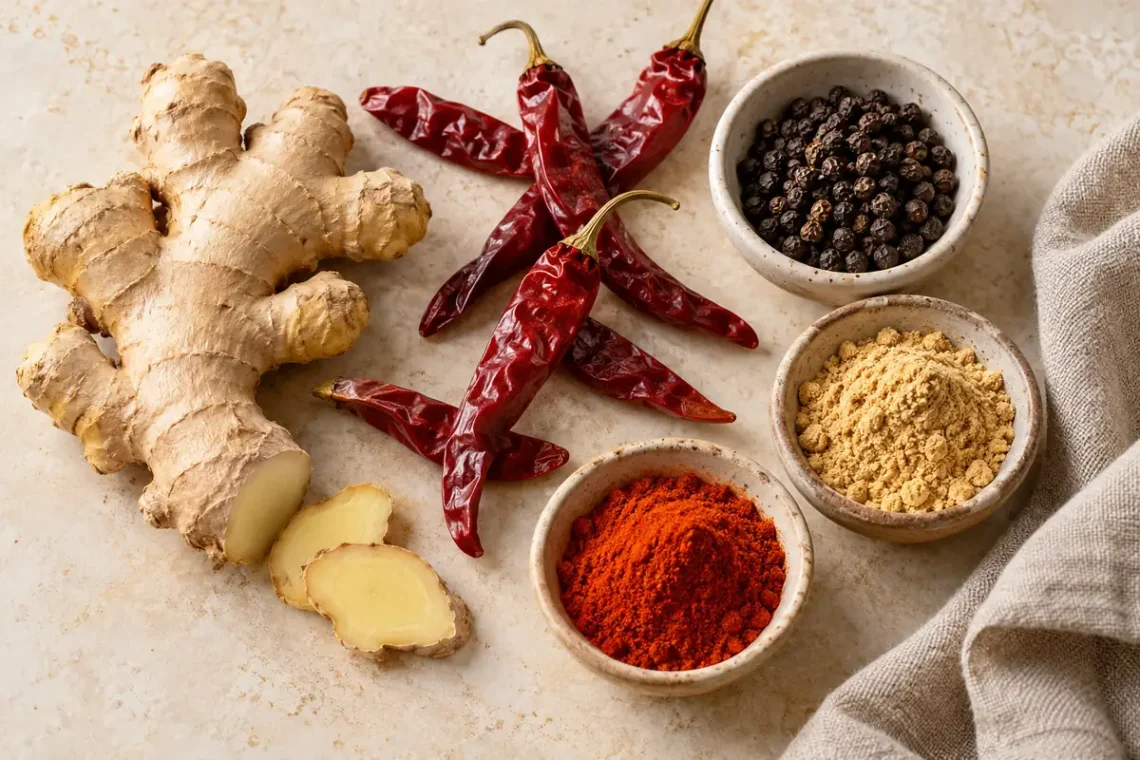
Start here: Choose one dish, then buy the spices it needs. Ginger, a chile you enjoy, and black pepper are a practical beginning. Add a specialty ingredient such as ehuru or uziza when you have a recipe that calls for it. You do not need every spice in this guide to make a flavorful meal.
What Are West African Spices?
The phrase describes spices used in the region’s cuisines, including dried seeds, berries, pods, and roots. Some ingredients, such as grains of paradise, are native to West Africa. Others are widely traded pantry ingredients that cooks have incorporated into local dishes. A useful guide therefore needs to distinguish where an ingredient comes from, how people use it, and whether it is a spice, blend, or condiment.
Seasoning also extends beyond the spice jar. Fresh ginger, onions, garlic, chiles, herbs, and fermented condiments can be central to a dish. For example, Freda Muyambo’s family recipe for Ghanaian kelewele uses a fresh ginger, onion, and chile mixture. That is a different preparation from a dry rub.
West African Spices at a Glance
| Ingredient | What it contributes | A useful way to begin |
|---|---|---|
| Ginger | Warm, lively pungency; fresh and dried forms behave differently. | Use fresh ginger in a wet seasoning paste, or ground ginger in a dry rub. |
| Chiles | Heat, with flavor varying by variety and preparation. | Start with less than the recipe's full hot-chile quantity if you are unsure of your tolerance. |
| Grains of paradise | A peppery, aromatic seed from Aframomum melegueta. | Buy a clearly labeled culinary product and grind a little when your chosen recipe calls for it. |
| Uziza seeds | Aromatic pepperiness from Piper guineense; the leaves are used separately too. | Try a Nigerian soup recipe that specifies seeds, rather than substituting leaves by volume. |
| Uda / grains of Selim | Fragrant pods from Xylopia aethiopica, often with a smoky character. | Follow the recipe's preparation directions; some preparations use the pod wall and discard bitter seeds. |
| Ehuru / calabash nutmeg | A warm, strongly aromatic seed from Monodora myristica. | Use a small amount in a pepper-soup blend; it is distinct from ordinary nutmeg. |
For the Nigerian names and plant identities in this table, see Ozoz Sokoh’s pepper-soup spice guide. Her account also shows how names vary between languages and markets. The preparation instructions in a specific recipe remain more useful than assuming every spice is handled the same way.
A naming detail that makes shopping easier
Grains of paradise and alligator pepper are sometimes confused in retail descriptions. The University of Reading’s botanical explanation distinguishes Aframomum melegueta from related species sold as alligator pepper, while FAO’s crop record illustrates the overlap in common names. Check the botanical name and product description when possible. Uda and uziza are different plants again; the word “pepper” alone does not identify the ingredient.
Regional Blends, Fresh Pastes, and Fermented Seasonings
Suya seasoning: a northern Nigerian connection
Suya is associated with northern Nigerian grilled meat traditions. In Ozoz Sokoh’s explanation, yaji is a spice mixture, while yajin kuli includes ground kuli-kuli, a peanut preparation. Naming and recipes vary, so do not assume a product is peanut-free from its name. The recipe below is a simplified peanut-and-ginger pantry adaptation, not a definitive traditional formula.
Pepper-soup spices: aroma as well as heat
Nigerian pepper-soup mixtures can combine several fragrant spices, including ehuru, uda, and uziza. The characteristic flavor comes from the blend, not simply from adding more hot pepper. Compare a clearly identified spice mixture with a complete recipe such as Lola Osinkolu’s pepper soup, which also uses ginger and fresh ingredients. A barbecue rub will not reproduce the same broth.
Kelewele: Ghanaian plantain with a fresh seasoning paste
Kelewele pairs ripe plantain with a spicy aromatic coating before frying. Muyambo’s family version emphasizes fresh ginger, onion, and chile. It is a helpful example of how a short ingredient list can create a distinctive dish. Other cooks may include additional spices, but a particular store-bought “kelewele spice” packet should not be treated as the only possible recipe.
Rof and nokoss: Senegalese seasoning preparations
Chef Pierre Thiam describes rof as a parsley mixture used to stuff fish in his Senegalese recipe excerpt. His Casamance stew recipe includes a version of nokoss made with onion, garlic, and pepper. These examples show the importance of fresh, pounded or blended ingredients alongside dried spices; the exact mixtures depend on the dish and cook.
Iru, dawadawa, and nététou: fermented savory depth
Fermented locust-bean condiments add an assertive savory flavor to soups and sauces. FAO documents the Nigerian names iru and daudawa, and Senegalese producer Jotali explains nététou. Related products may differ in form and preparation. They belong in the seasoning conversation, but they are fermented condiments rather than ordinary ground spices. Follow the package’s storage instructions, especially after opening.
How to Cook with West African Spices
- Start with a dish, then choose its seasonings. Pick a pepper soup, grilled-meat recipe, or plantain preparation and follow its ingredient list. Adding every aromatic you own can blur the flavors you are trying to learn.
- Check the form before measuring. A teaspoon of ground spice is not equivalent to a teaspoon of whole pods. Fresh ginger also contributes moisture, while ground ginger fits a dry blend. Follow the form stated in the recipe.
- Use gentle heat deliberately. When a recipe asks you to toast whole spices, watch closely and stop when fragrant. When it asks you to cook ground spices in oil, keep them moving and add the next ingredient before they scorch. The peanut rub below needs no separate toasting.
- Adjust chile separately from aroma. Reduce cayenne or fresh hot chile if needed while retaining the ginger and other aromatic ingredients. More salt or sugar will not remove chile from a finished dish; a too-hot stew usually needs additional unsalted base ingredients.
- Taste a cooked sample. Assess a rub on a little cooked potato or another suitable cooked food. Dry powder alone can taste harsher than the seasoning will taste as part of a meal. Adjust gradually and keep track of the changes you like.
Easy Suya-Inspired Peanut and Ginger Rub
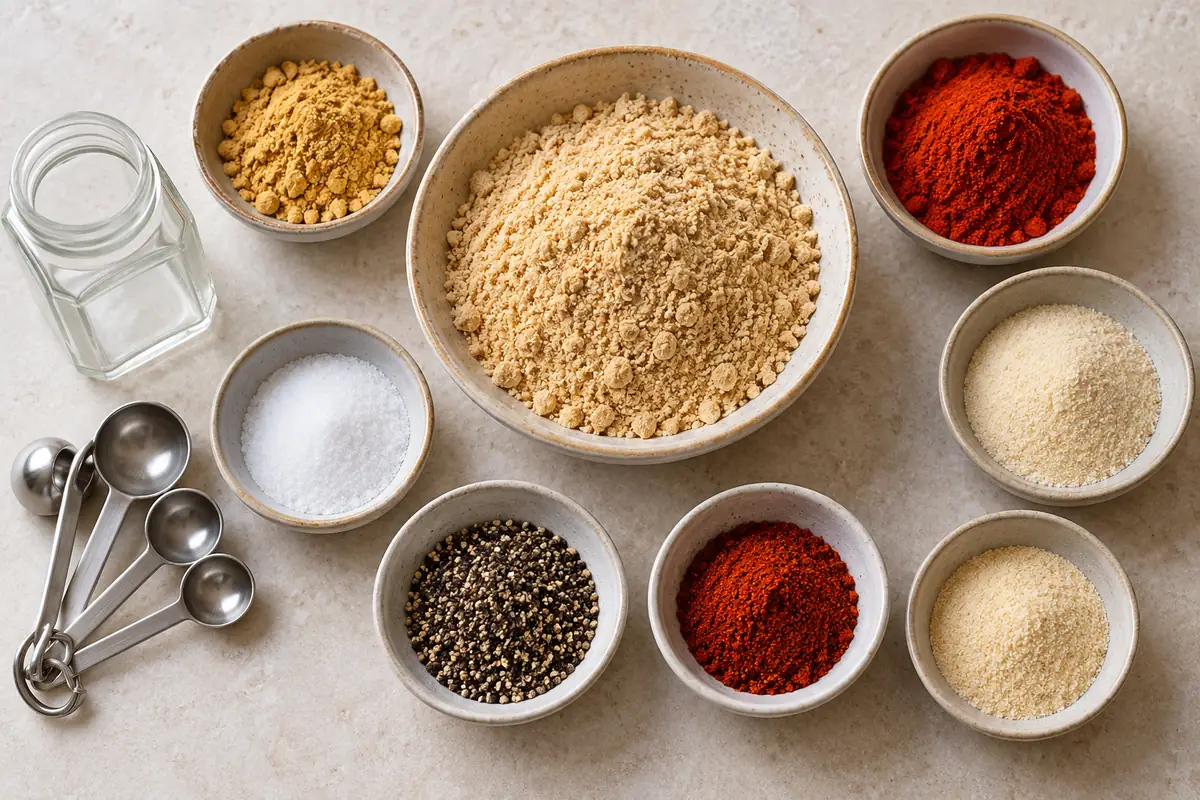
This small-batch blend offers a practical introduction to a peanut-based seasoning style using supermarket ingredients. It is ginger-forward, gently smoky only if you choose smoked paprika, and adjustable in heat. Peanut powder adaptations also appear in Abi Olayiwola’s guide to homemade suya seasoning. Our version uses a short ingredient list and its own proportions for an everyday pantry rub.
Ingredient choices that matter
- Peanut powder: Choose plain, unsweetened defatted powder made from roasted peanuts, ideally with no added salt. It supplies the nutty base without the moisture of peanut butter.
- Ground ginger: This is the leading aromatic in the blend. Use a jar that still smells fragrant; extra chile cannot replace faded ginger.
- Sweet paprika: Adds color and a rounded pepper flavor. Smoked paprika is an optional variation and will change the character of the rub.
- Onion and garlic powders: Use powders, not onion salt or garlic salt, so the salt level stays under your control.
- Cayenne: Start with ¼ teaspoon for a gentler batch or use the listed ½ teaspoon. For extra heat, increase by small pinches after trying the blend on cooked food.
- Fine salt: Fine crystals distribute more evenly through this powder. If using a coarse salt, grind it first or season each finished dish separately.
Nutrition and serving size
A seasoning portion is small, and the nutritional contribution depends on how much you use. Peanut powder supplies some protein and fat, while the added salt contributes most of the sodium in this blend. For an example of the ingredient itself, PB2’s plain peanut powder contains roasted peanuts without added sugar or salt. Brands differ, so use your package labels when tracking nutrition. Reducing the salt in this recipe lets you season each dish separately; it does not remove the naturally occurring sodium in other ingredients.
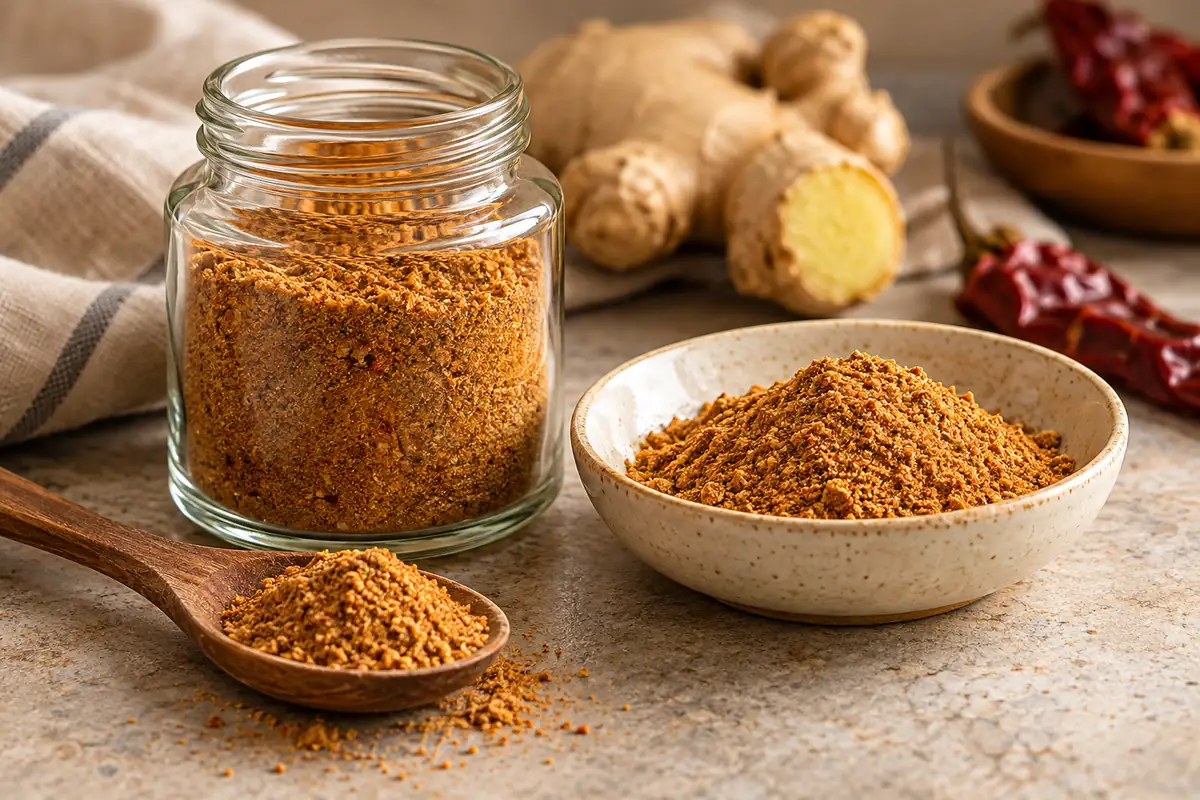
Simple Ways to Use the Homemade Blend
Use these amounts as starting points, then adjust after cooking. This rub contains salt, but a lightly seasoned dish may still need an additional pinch. Keep any oil or fresh ingredients separate from the jar of dry seasoning.
- Roasted vegetables: Begin with 1 tablespoon of rub and about 1 tablespoon of oil for 1 pound of chopped cauliflower, carrots, or potatoes. Toss well and cook using the time and temperature appropriate to the vegetable. Watch the coating near the end so it does not scorch.
- Chicken or beef: Begin with 1–2 tablespoons of rub per pound, plus enough oil to help it adhere. Follow a complete cooking method for the cut you are using; the blend’s five-minute preparation time does not include cooking the meat.
- Beans: Stir 1 teaspoon into about 2 cups of simmering cooked beans, allow the flavors to combine, then taste before adding more. If you use this idea with our black-eyed peas with okra and tomatoes, reduce overlapping seasonings rather than piling on every ingredient.
- Cooked potatoes or a warm grain bowl: Sprinkle on a small amount just before serving, using a clean spoon and rub that has never touched raw meat. Add a squeeze of lemon or lime if the meal would benefit from brightness.
For meat and fish: Reserve the seasoning you need before handling raw food, and discard any leftover rub that touches raw meat or its juices. Check doneness with a thermometer. FoodSafety.gov recommends 165°F (74°C) for poultry, 160°F (71°C) for ground beef or pork, and 145°F (63°C) for whole cuts of beef or pork followed by a three-minute rest. Fish should reach 145°F (63°C).
Shopping for and Storing West African Spices
African grocery stores and specialist food sellers can be helpful when looking for ehuru, uda, or uziza. Bring both the recipe name and the ingredient’s alternate name. Ask whether a packet contains whole pods, seeds, or a ready-ground mixture, and look for a clear ingredient list. With blends, check for peanuts, added salt, and other ingredients relevant to your household.
Buy an amount you expect to use, rather than a large bag that will sit untouched. Keep dry spices tightly closed in a cool cupboard away from the stove and sunlight, consistent with University of Delaware Extension’s storage guidance. Measure into a spoon away from a steaming pot so moisture does not enter the container.
For the peanut rub, make a small batch you expect to finish within about a month for fresh flavor. This is a batch-planning suggestion, not a tested shelf-life guarantee. Follow the dates and storage directions on every ingredient, including any instruction to refrigerate peanut powder. These dry-storage instructions do not apply after adding water, oil, fresh garlic, or other fresh ingredients.
Practical Substitutions and Their Limits
| If you cannot find… | A practical next step | What will change |
|---|---|---|
| Grains of paradise or uziza seeds | Use a recipe that allows black pepper, beginning with a small amount. | You will retain some pepperiness, but lose the original spice's particular aroma. |
| Ehuru | Use a little ordinary nutmeg only when the recipe author suggests it. | The fragrance and strength differ; an equal-volume swap may be overpowering. |
| Uda | Choose a recipe written without it, or follow a specific substitute suggested by its author. | Smoked paprika can add smoke and color, but does not reproduce uda's full flavor. |
| Plain peanut powder | Choose another recipe rather than substituting spoonfuls of wet peanut butter in this dry blend. | Peanut butter makes a paste and changes the fat, moisture, and storage requirements. |
A substitution can help you cook dinner, but it also changes the dish. Keep that distinction in mind when learning a new recipe. For a separate pantry blend built around paprika and herbs, try our blackening seasoning recipe; use it for its own flavor rather than as an equivalent to a regional West African mixture.
West African Spices: Frequently Asked Questions
Are all of these seasonings very hot?
No. Chiles provide much of the adjustable heat in the examples here, while other ingredients contribute fragrance, nuttiness, or savory depth. Ginger and peppery seeds can still feel pungent, so reducing cayenne does not make every blend completely mild. Start with a small amount and taste the cooked food.
Is there one authentic blend for the whole region?
No single mixture represents all of West Africa. Country, community, household, and dish all matter. A suya seasoning, a pepper-soup blend, and a fresh Senegalese paste serve different purposes. Choose a named dish and a knowledgeable recipe source when you want to understand a particular tradition.
Can I make the rub without peanuts?
For someone with a peanut allergy, choose a separate peanut-free recipe and check every packaged ingredient for relevant allergen information. Simply removing peanut powder makes this particular blend more concentrated and changes its character. Do not assume another nut or seed is a suitable allergy substitute for that person.
Can fresh ginger replace ground ginger in the jar?
Keep fresh ginger out of a dry seasoning jar. It adds moisture and changes storage requirements. You can use fresh ginger in a separately prepared marinade when following a recipe designed for fresh ingredients, but that preparation should not be stored as though it were a dry spice mix.
Should I toast the finished peanut rub?
This recipe does not require toasting. Its fine powders can scorch quickly in an empty pan. Mix it, then use it in the food you are cooking. If another recipe calls for toasted whole spices, handle those separately according to that recipe before grinding and combining them.
Build Your Pantry One Dish at a Time
The most rewarding way to explore West African spices is to connect each ingredient with a dish and the cooks who know it well. Learn the difference between a dry seed, a blended rub, a fresh paste, and a fermented condiment, then notice what each contributes. Start with the simple peanut-and-ginger blend here, or follow one of the regional recipes linked above. A few carefully chosen ingredients, used thoughtfully, offer a better starting point than an overcrowded spice shelf.
Suya-Inspired Peanut and Ginger Rub
Ingredients
Equipment
Method
- Use a clean, completely dry bowl and utensils. Check that the peanut powder is plain and unsweetened and that the garlic and onion products are powders rather than seasoned salts.
- Add the peanut powder, ginger, paprika, onion powder, garlic powder, cayenne, black pepper, and salt to the bowl. Whisk or stir with a fork until the mixture has an even color, breaking up dry clumps.
- Try a small pinch on a bite of cooked potato or another suitable cooked food. Add cayenne in small pinches if you want more heat. Do not add water, oil, or fresh ingredients to the storage batch.
- Transfer to a clean, dry airtight jar. Label with the preparation date and “Contains peanuts.” Keep a dry spoon for measuring and follow the storage directions on the peanut powder package.
- Begin with 1 tablespoon per pound of vegetables, or 1–2 tablespoons per pound of meat, with a little oil to help it adhere. These are starting amounts. Cook the food using an appropriate recipe and safe internal temperature; the five-minute time above covers mixing the rub only.