Baby back ribs temperature answers two different questions. For food safety, whole pork must reach 145°F followed by a 3-minute rest. For barbecue tenderness, baby backs commonly need longer cooking, often finishing around 195–203°F. Check several spots and confirm that a probe slides through the meat with little resistance.
Safety: 145°F + 3-minute rest · tenderness often needs more cooking
Safety minimum and tenderness range
| Reading | What to do |
|---|---|
| Below 145°F | Keep cooking; the recommended whole-pork safety endpoint has not been reached. |
| 145°F plus a 3-minute rest | The minimum safety endpoint is met, but ribs may still be firm and chewy. |
| Around 190°F | Begin checking tenderness in several places; do not pull the rack only because it reached this number. |
| Often 195–203°F | A useful finishing range, provided the meat also feels tender. |
| Above about 205°F | Watch texture closely; additional cooking can make some racks too soft or dry. |
These higher ranges describe texture, not a second safety rule. FoodSafety.gov lists the 145°F and 3-minute-rest minimum for whole pork. ThermoWorks’ baby back rib guide discusses a broader 190–205°F tenderness range and why the desired bite changes the finish.

How to measure baby back ribs temperature
- Use a thin-tip food thermometer. Insert from the side or at a shallow angle into the thick meat between two bones.
- Keep the sensing area inside the meat, away from bone and the hot cooking grate. If the reading seems implausible, reposition and measure again.
- Check at least two or three places, including the thick center. Do not average away a cooler section: every checked thick area must meet the safety minimum.
- Once near the tenderness range, probe between several bones with a skewer or the thermometer tip. The resistance should be slight rather than rubbery.
- Lift the rack carefully with tongs for a bend check. A flexible rack and a small surface crack can support the tenderness assessment, but cannot replace the thermometer safety check.
A leave-in probe is useful for following the trend, but one fixed position may miss another thick area. Our complete rib doneness guide explains the bend test, probe placement, and common misleading cues. Meat pulling back from the bones is another texture clue, not a safety test.
Choose a steady cooking environment
| Cooker | Useful starting range | Practical approach |
|---|---|---|
| Smoker | 225–250°F | Cook with steady indirect heat; begin checking well before your planned serving time. |
| Grill | 250–300°F | Create an indirect zone and keep the ribs away from direct flame. |
| Oven | 275–300°F | A covered phase can soften the ribs; uncover near the end for color and glazing. |
The original planning windows are roughly 5–6 hours at 225°F, 4–5 hours at 250°F, or 2½–3½ hours for covered oven ribs at 275–300°F. Rack size, thickness, wrapping, weather, and actual cooker temperature can shift those times substantially. Follow temperature and tenderness checks rather than promising dinner at an exact minute.
Foil wrapping can shorten the cook and soften the bark. If you wrap, open the package carefully because hot steam and juices collect inside. Keep cooking if the probe still meets resistance.
Troubleshoot the final stage
| What you see | Likely next step |
|---|---|
| Safe temperature, tough bite | Continue cooking gently and recheck probe resistance. |
| One hot reading, another much cooler | Reposition the probe away from bone and check additional thick areas. |
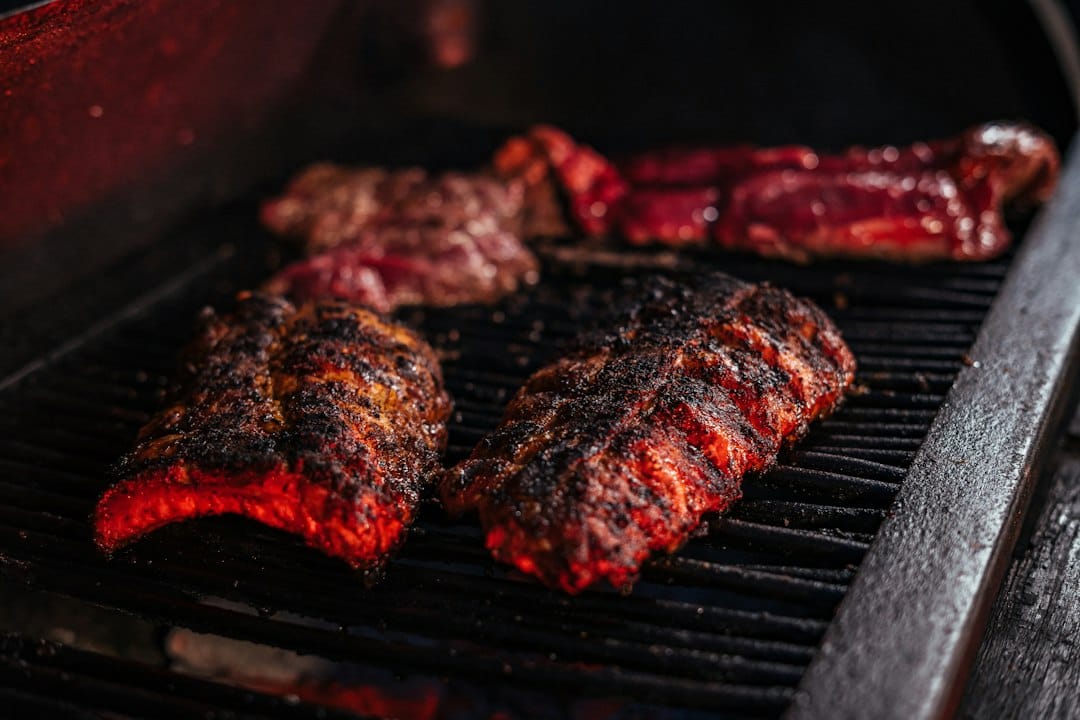
| Dark surface, firm center | Move away from direct heat; protect the surface while the inside continues cooking. |
| Tender ribs, loose sauce | Use a thin glaze and a brief watched finish rather than a long extra cook. |
| Meat falls apart during handling | Support the rack with broad tools; next time check tenderness earlier. |
Season, glaze, and rest
Apply a measured BBQ rub before cooking. When the ribs are nearly tender, use a thin coating of baby back rib sauce or sweet sauce for ribs. Sugar can scorch quickly, so watch the finish continuously under a broiler and move the rack away from direct flame on a grill.
Let the rack rest about 10–15 minutes before slicing, while ensuring it has completed at least the required 3-minute safety rest. Slice between the bones and serve promptly. Cooked ribs should be refrigerated within 2 hours, or 1 hour above 90°F, and used within 3–4 days. Reheat leftovers to 165°F; see USDA leftover guidance.